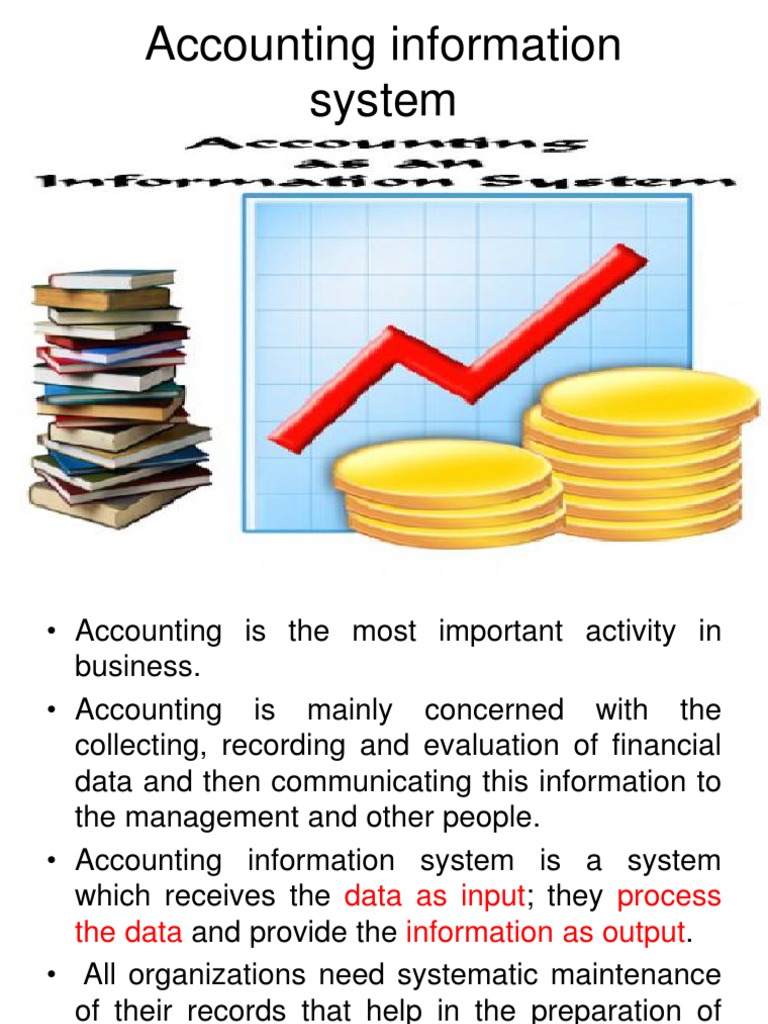
Accounting Information System Course
Accounting Information System Course - This course builds upon the student’s existing basic knowledge of how accounting information systems function in today’s business environment. Identify the characteristics of data. Topics include business information systems, business processes and data flows, database concepts and tools, internal control and risks, auditing the information system, and using the information system to perform audit functions. In this course, students examine the fundamentals of accounting systems design. Recognize different types of business processes. Accounting information systems (ais) for internal and external decision making. Recognize the components of an accounting information system, and how it can be used. An accounting information systems degree provides training in various financial technologies. Students learn about trends and issues related to the design of accounting information systems (ais) that provide timely information to decision makers to add value, protect information, assess security risks and comply with mandates. The students graduating from the program are uniquely prepared for successful careers in public and private accounting that increasingly require systems and financial analysis. An accounting information systems degree provides training in various financial technologies. The students graduating from the program are uniquely prepared for successful careers in public and private accounting that increasingly require systems and financial analysis. This course builds upon the student’s existing basic knowledge of how accounting information systems function in today’s business environment. Topics include business information systems, business processes and data flows, database concepts and tools, internal control and risks, auditing the information system, and using the information system to perform audit functions. Recognize different types of business processes. Explore education paths, learning outcomes, and more. Students learn about trends and issues related to the design of accounting information systems (ais) that provide timely information to decision makers to add value, protect information, assess security risks and comply with mandates. Identify the characteristics of data. Recognize the components of an accounting information system, and how it can be used. Accounting information systems (ais) for internal and external decision making. An accounting information systems degree provides training in various financial technologies. The students graduating from the program are uniquely prepared for successful careers in public and private accounting that increasingly require systems and financial analysis. Students learn about trends and issues related to the design of accounting information systems (ais) that provide timely information to decision makers to add value,. In this course, students examine the fundamentals of accounting systems design. Recognize the components of an accounting information system, and how it can be used. Topics include business information systems, business processes and data flows, database concepts and tools, internal control and risks, auditing the information system, and using the information system to perform audit functions. Accounting information systems (ais). In this course, students examine the fundamentals of accounting systems design. Explore education paths, learning outcomes, and more. The students graduating from the program are uniquely prepared for successful careers in public and private accounting that increasingly require systems and financial analysis. Topics include business information systems, business processes and data flows, database concepts and tools, internal control and risks,. This course builds upon the student’s existing basic knowledge of how accounting information systems function in today’s business environment. Students learn about trends and issues related to the design of accounting information systems (ais) that provide timely information to decision makers to add value, protect information, assess security risks and comply with mandates. The students graduating from the program are. Recognize the components of an accounting information system, and how it can be used. Topics include business information systems, business processes and data flows, database concepts and tools, internal control and risks, auditing the information system, and using the information system to perform audit functions. An accounting information systems degree provides training in various financial technologies. Identify the characteristics of. The students graduating from the program are uniquely prepared for successful careers in public and private accounting that increasingly require systems and financial analysis. An accounting information systems degree provides training in various financial technologies. Topics include business information systems, business processes and data flows, database concepts and tools, internal control and risks, auditing the information system, and using the. An accounting information systems degree provides training in various financial technologies. Identify the characteristics of data. In this course, students examine the fundamentals of accounting systems design. Recognize different types of business processes. The students graduating from the program are uniquely prepared for successful careers in public and private accounting that increasingly require systems and financial analysis. Accounting information systems (ais) for internal and external decision making. In this course, students examine the fundamentals of accounting systems design. Recognize different types of business processes. Identify the characteristics of data. An accounting information systems degree provides training in various financial technologies. Explore education paths, learning outcomes, and more. In this course, students examine the fundamentals of accounting systems design. This course builds upon the student’s existing basic knowledge of how accounting information systems function in today’s business environment. An accounting information systems degree provides training in various financial technologies. Identify the characteristics of data. This course builds upon the student’s existing basic knowledge of how accounting information systems function in today’s business environment. Recognize the components of an accounting information system, and how it can be used. Explore education paths, learning outcomes, and more. The students graduating from the program are uniquely prepared for successful careers in public and private accounting that increasingly require. Accounting information systems (ais) for internal and external decision making. Recognize the components of an accounting information system, and how it can be used. In this course, students examine the fundamentals of accounting systems design. This course builds upon the student’s existing basic knowledge of how accounting information systems function in today’s business environment. An accounting information systems degree provides training in various financial technologies. Identify the characteristics of data. Recognize different types of business processes. Topics include business information systems, business processes and data flows, database concepts and tools, internal control and risks, auditing the information system, and using the information system to perform audit functions.
TRAINING ACCOUNTING INFORMATION SYSTEM

Accounting Information Systems Implementation Course
Accounting Information Systems The Processes and Controls, 2nd Edition
accounting information system Debits And Credits Bookkeeping

3 The Accounting Information System CHAPTER
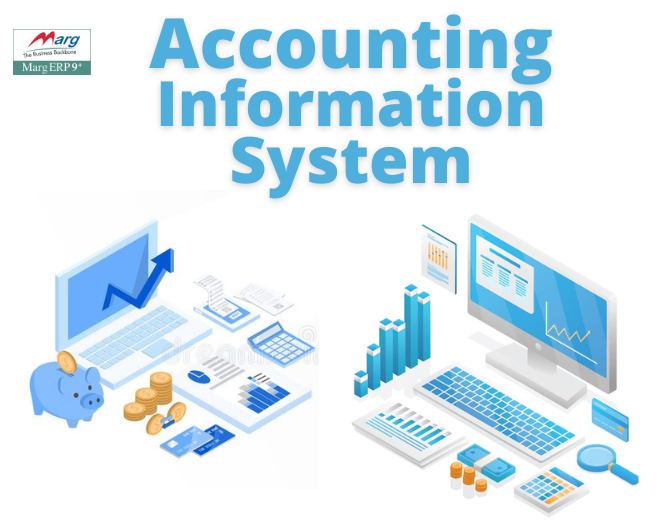
Accounting Information System (AIS) Types, Components & Uses Marg ERP

Accounting Information Systems Connecting Careers, Systems, and

Accounting Information System Course

TRAINING ACCOUNTING INFORMATION SYSTEM Diorama School of Banking

Applications of Accounting Information Systems
Students Learn About Trends And Issues Related To The Design Of Accounting Information Systems (Ais) That Provide Timely Information To Decision Makers To Add Value, Protect Information, Assess Security Risks And Comply With Mandates.
Explore Education Paths, Learning Outcomes, And More.
The Students Graduating From The Program Are Uniquely Prepared For Successful Careers In Public And Private Accounting That Increasingly Require Systems And Financial Analysis.
Related Post: