
Chiropractor Course Requirements
Chiropractor Course Requirements - Becoming a chiropractor requires attending chiropractic school, earning a doctor of chiropractic degree, passing a series of exams administered by the national board of chiropractic examiners, and securing licensure in the state, province, or relevant jurisdiction where you plan to practice. View the admissions requirements for palmer's doctor of chiropractic program or bachelor of science in general science program. To pursue a chiropractic course, candidates must meet specific educational and personal criteria to ensure they are prepared for the profession’s demands. Admission requirements typically include meeting minimum gpa requirements, submitting an official transcript, passing a background check, and demonstrating relevant coursework. To become a chiropractor, you’ll need a doctor of chiropractic (dc) degree from an accredited program, plus a state license that will allow you to practice. These requirements typically include a doctor of chiropractic (d.c.) degree and being licensed in the state a candidate wishes to practice. With over ten specialties to choose from, chiropractors can choose any of the accredited options below: Chiropractic schools on the association of chiropractic colleges website, prospective students need to complete a. Most chiropractors study chiropractic after earning a bachelor of science (bs), though some pursue a combined bs/dc degree. Possessing a minimum gpa of at least 2.5 (much higher in many cases); Chiropractors require a doctoral degree. Aspiring chiropractors typically complete at least three years of undergraduate studies. Eligibility requirements may vary by institution and program. Becoming a chiropractor requires completing several steps, including education, training, and licensure. Each program’s curriculum must include at least 4,200 instructional hours of course credits. Expect to take anatomy and physiology, mathematics, chemistry, biology and other stem courses. According to an overview of the academic admissions requirements for various u.s. Most chiropractors study chiropractic after earning a bachelor of science (bs), though some pursue a combined bs/dc degree. To become a chiropractor, you’ll need a doctor of chiropractic (dc) degree from an accredited program, plus a state license that will allow you to practice. Requirements vary from program to program and may take anywhere from 150 hours to 300 hours of work experience, as well as passing an exam. All states require chiropractors to obtain a license by passing the national board of chiropractic examiners (nbce) exam. Here's a general overview of the steps to become a chiropractor: Becoming a chiropractor requires completing several steps, including education, training, and licensure. Most chiropractors study chiropractic after earning a bachelor of science (bs), though some pursue a combined bs/dc degree. To. Typically, schools require past coursework in life and physical sciences and social and behavioral sciences. Most require a bachelor’s degree. The school’s chiropractic curriculum is designed to teach you everything necessary to pass these comprehensive tests. Read our definitive guide to accredited doctor of chiropractic programs across north america. Expect to take anatomy and physiology, mathematics, chemistry, biology and other. Operate on semesters, trimesters, and quarters. Once accepted into an accredited program, chiropractic students typically follow a curriculum like this: Make sure you complete the requirements for chiropractic school admission, which include a certain number of courses in life and physical sciences (usually 24 credit hours or so, and half with labs). Typically, schools require past coursework in life and. To become a chiropractor in illinois, you will need to follow the requirements set forth by the illinois department of financial and professional regulation. These requirements include undergraduate and chiropractor school education, plus passing national board of chiropractic examiners scores. The requirements for acquiring a certification and license vary by state but typically involve completing an accredited chiropractic program, passing. For chiropractors, it’s the national board of chiropractic examiners (nbce) exams. Begin by completing a bachelor's degree program from an. Chiropractors require a doctoral degree. Eligibility requirements may vary by institution and program. To pursue a chiropractic course, candidates must meet specific educational and personal criteria to ensure they are prepared for the profession’s demands. Possessing a minimum gpa of at least 2.5 (much higher in many cases); With over ten specialties to choose from, chiropractors can choose any of the accredited options below: Make sure you complete the requirements for chiropractic school admission, which include a certain number of courses in life and physical sciences (usually 24 credit hours or so, and half with. Requirements vary from program to program and may take anywhere from 150 hours to 300 hours of work experience, as well as passing an exam. Once accepted into an accredited program, chiropractic students typically follow a curriculum like this: Check with the program in which you are interested to learn more about its specific academic requirements, course curriculum, and admission. The admission requirements for chiropractor school vary according to individual institutions, but typically include completing undergraduate coursework in the sciences; A bachelor’s degree is not always mandatory but is highly recommended. Most chiropractors study chiropractic after earning a bachelor of science (bs), though some pursue a combined bs/dc degree. Begin by completing a bachelor's degree program from an. Make sure. View the admissions requirements for palmer's doctor of chiropractic program or bachelor of science in general science program. Once accepted into an accredited program, chiropractic students typically follow a curriculum like this: The school’s chiropractic curriculum is designed to teach you everything necessary to pass these comprehensive tests. To pursue a chiropractic course, candidates must meet specific educational and personal. The school’s chiropractic curriculum is designed to teach you everything necessary to pass these comprehensive tests. The requirements for acquiring a certification and license vary by state but typically involve completing an accredited chiropractic program, passing board exams, and meeting ongoing educational needs. To pursue a chiropractic course, candidates must meet specific educational and personal criteria to ensure they are. For chiropractors, it’s the national board of chiropractic examiners (nbce) exams. View the admissions requirements for palmer's doctor of chiropractic program or bachelor of science in general science program. With over ten specialties to choose from, chiropractors can choose any of the accredited options below: And finishing all prerequisite courses with a grade no less than a c. To pursue a chiropractic course, candidates must meet specific educational and personal criteria to ensure they are prepared for the profession’s demands. Operate on semesters, trimesters, and quarters. Here's a general overview of the steps to become a chiropractor: To become a chiropractor, you must complete several steps: Possessing a minimum gpa of at least 2.5 (much higher in many cases); Becoming a chiropractor requires completing several steps, including education, training, and licensure. Once accepted into an accredited program, chiropractic students typically follow a curriculum like this: Each program’s curriculum must include at least 4,200 instructional hours of course credits. Requirements vary from program to program and may take anywhere from 150 hours to 300 hours of work experience, as well as passing an exam. Make sure you complete the requirements for chiropractic school admission, which include a certain number of courses in life and physical sciences (usually 24 credit hours or so, and half with labs). Chiropractic schools on the association of chiropractic colleges website, prospective students need to complete a. To earn and maintain accreditation, chiropractic colleges must meet a variety of stringent requirements.
How to a Chiropractor Required Education for Chiropractors

What Education is Required to be a Chiropractor?
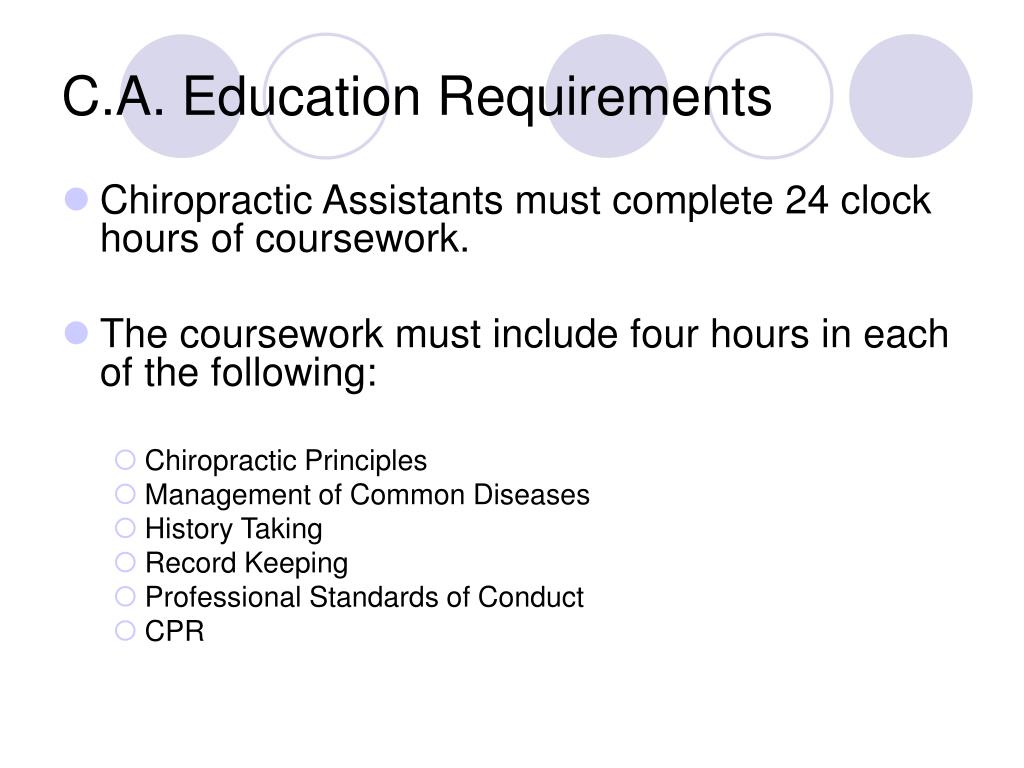
PPT Chiropractic Assistant Regulation in Arizona PowerPoint
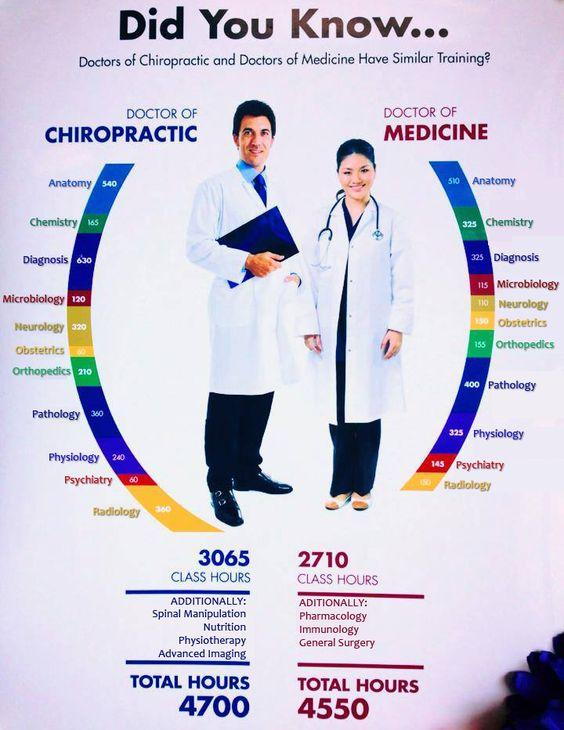
How to a Chiropractor Required Education for Chiropractors

Chiropractic Education —
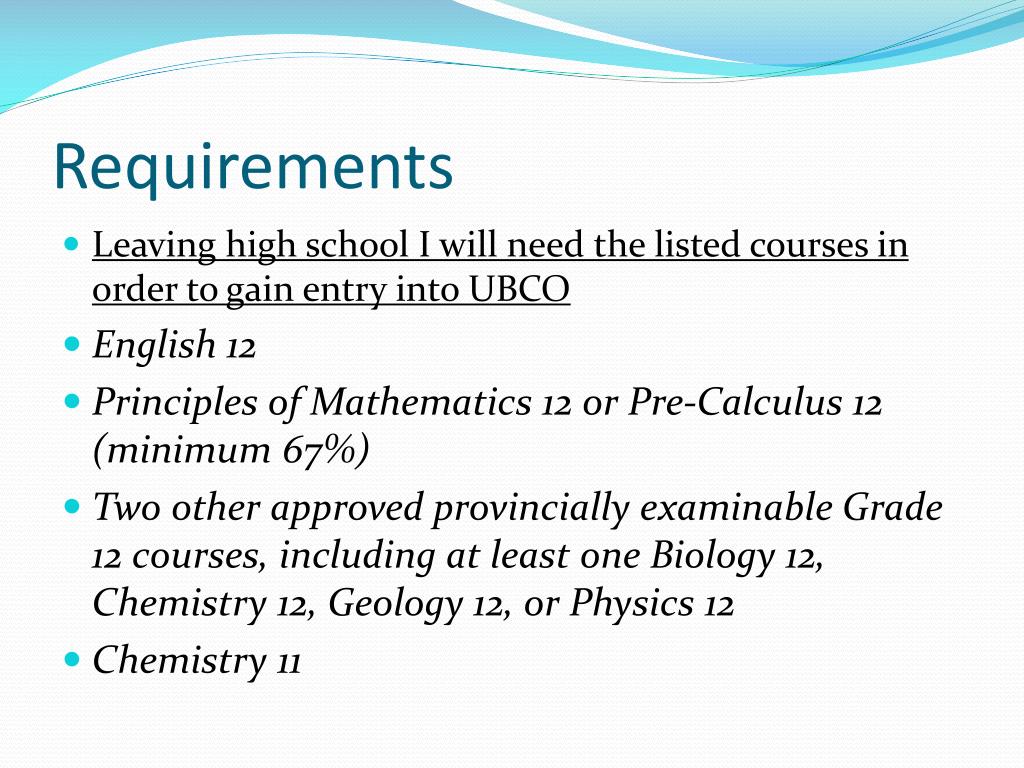
PPT Chiropractor PowerPoint Presentation, free download ID3989628

Chiropractic Education —

Education Requirements for a Doctor of Chiropractic (D.C.) Degree

Educational Requirements For A Chiropractor Vital Chiropractic

What Are The Educational Requirements For A Chiropractor in Brookfield
Admission Requirements Typically Include Meeting Minimum Gpa Requirements, Submitting An Official Transcript, Passing A Background Check, And Demonstrating Relevant Coursework.
Chiropractors Require A Doctoral Degree.
Becoming A Chiropractor Requires Attending Chiropractic School, Earning A Doctor Of Chiropractic Degree, Passing A Series Of Exams Administered By The National Board Of Chiropractic Examiners, And Securing Licensure In The State, Province, Or Relevant Jurisdiction Where You Plan To Practice.
Typically, Schools Require Past Coursework In Life And Physical Sciences And Social And Behavioral Sciences.
Related Post: