
Course Of Construction Vs Builders Risk
Course Of Construction Vs Builders Risk - Course of construction (coc) or builder's risk insurance is coverage meant to protect property owners, developers, and contractors while major renovation/construction work is being completed — and in some cases for a specified period of time afterwards. The construction industry continues to grow, with 10% increases in nominal value and 12% gross output gains in 2024 alone. In north america, builders’ risk insurance is the most commonly used term for protections granted to structures under construction, even temporarily. But as more money flows into builds, so does the risk. As you can see, builder’s risk insurance or “course of construction” insurance plays a crucial role within the construction industry to protect your business from lots of different risks. Having enough insurance coverage is crucial to safeguarding your investment when building a new structure or remodeling an existing one. Without builders risk in place, you face a maze of risks that can have a devastating impact to your business. This process simplifies continuity of coverage—in particular, a smooth transition for the homeowner to move into the dwelling before the construction is complete. It encompasses damage from a wide range of risks, including fire, lightning, windstorms, hail, explosions, vandalism, theft, and other covered events. Like commercial property insurance, course of construction insurance covers building structures throughout construction. However, course of correction insurance is another commonly used term and is sometimes preferred regionally in europe and asia. Builder's risk insurance — also called “course of construction insurance” — provides coverage for buildings that are currently under construction. This risk can stem from many factors, including improperly estimating the true cost of a project, hiring the wrong people or subcontractors for the job and everything in. Builders risk insurance is a form of property insurance that covers property that is being constructed or renovated, against physical loss or damage from a covered cause. Discover the key differences in builders risk vs course of construction insurance. While exploring your options, you might come across terms like “builders risk insurance” and “course of construction insurance.” at carvo insurance group, we frequently encounter questions about these terms, and we’re here. Without builders risk in place, you face a maze of risks that can have a devastating impact to your business. Having enough insurance coverage is crucial to safeguarding your investment when building a new structure or remodeling an existing one. Iso rules expressly permit coverage for the homeowner to insure the house from inception of the project through the course of work. Course of construction insurance is simply another name for builders risk insurance and vice versa. Builder’s risk insurance, also known as course of construction insurance, is a specialized type of property insurance that helps protect buildings under construction. By understanding these exposures and implementing effective controls throughout the project lifecycle, stakeholders can mitigate potential setbacks and help ensure a smooth and successful completion. Another name for this type of insurance policy is known as “course. But as more money flows into builds, so does the risk. While under construction, including when it is being renovated or repaired. Course of construction (coc) or builder's risk insurance is coverage meant to protect property owners, developers, and contractors while major renovation/construction work is being completed — and in some cases for a specified period of time afterwards. Course. Another name for this type of insurance policy is known as “course of construction” insurance, which is its own specialized type of property insurance that helps protect buildings under construction. Builders risk insurance is a form of property insurance that covers property that is being constructed or renovated, against physical loss or damage from a covered cause. Without builders risk. Commonly, the owner of said business will purchase what is known as a “builder’s risk” insurance policy. Like commercial property insurance, course of construction insurance covers building structures throughout construction. Course of construction (coc) or builder's risk insurance is coverage meant to protect property owners, developers, and contractors while major renovation/construction work is being completed — and in some cases. Course of construction insurance is simply another name for builders risk insurance and vice versa. Course of construction insurance, often referred to as builders risk insurance, is a type of commercial property insurance that covers a building for perils like fire, water damage, theft etc. Sometimes referred to as course of construction coverage. Builder’s risk insurance, sometimes called course of. Suitable for projects of all sizes — from residential remodels to large commercial builds — it. Commonly, the owner of said business will purchase what is known as a “builder’s risk” insurance policy. By understanding these exposures and implementing effective controls throughout the project lifecycle, stakeholders can mitigate potential setbacks and help ensure a smooth and successful completion. Course of. Course of construction insurance, often referred to as builders risk insurance, is a type of commercial property insurance that covers a building for perils like fire, water damage, theft etc. It’s essential in helping protect construction projects, but can be complex and often misunderstood. But as more money flows into builds, so does the risk. Discover the key differences in. Without builders risk in place, you face a maze of risks that can have a devastating impact to your business. Most builder's risk insurance agreements also have core coverages that extend to both installed building materials and those stored on or off the project site. However, course of correction insurance is another commonly used term and is sometimes preferred regionally. This risk can stem from many factors, including improperly estimating the true cost of a project, hiring the wrong people or subcontractors for the job and everything in. Discover the key differences in builders risk vs course of construction insurance. Sometimes referred to as course of construction coverage. It’s essential in helping protect construction projects, but can be complex and. Having enough insurance coverage is crucial to safeguarding your investment when building a new structure or remodeling an existing one. It is temporary insurance in that coverage ends once the construction is considered completed, as defined in the policy. This process simplifies continuity of coverage—in particular, a smooth transition for the homeowner to move into the dwelling before the construction. In north america, builders’ risk insurance is the most commonly used term for protections granted to structures under construction, even temporarily. The construction industry continues to grow, with 10% increases in nominal value and 12% gross output gains in 2024 alone. Builder’s risk insurance, sometimes called course of construction insurance, is a property insurance policy designed to protect buildings while they’re being built. It covers losses from physical damage at the construction site and related property. Course of construction (coc) or builder's risk insurance is coverage meant to protect property owners, developers, and contractors while major renovation/construction work is being completed — and in some cases for a specified period of time afterwards. Course of construction insurance is simply another name for builders risk insurance and vice versa. Both policies offer crucial protections, but the choice depends on your role in the construction process. Sometimes referred to as course of construction coverage. Financial and cash flow risk. Like commercial property insurance, course of construction insurance covers building structures throughout construction. This process simplifies continuity of coverage—in particular, a smooth transition for the homeowner to move into the dwelling before the construction is complete. It encompasses damage from a wide range of risks, including fire, lightning, windstorms, hail, explosions, vandalism, theft, and other covered events. Builders risk insurance and course of construction insurance. Ensure your las vegas project is protected with the right coverage. Builder’s risk insurance, also known as course of construction insurance, is a specialized type of property insurance that helps protect buildings under construction. Without builders risk in place, you face a maze of risks that can have a devastating impact to your business.
What are the various types of risks in construction projects?

How Do Course Of Construction Policies Affect Builder's Risk Insurance
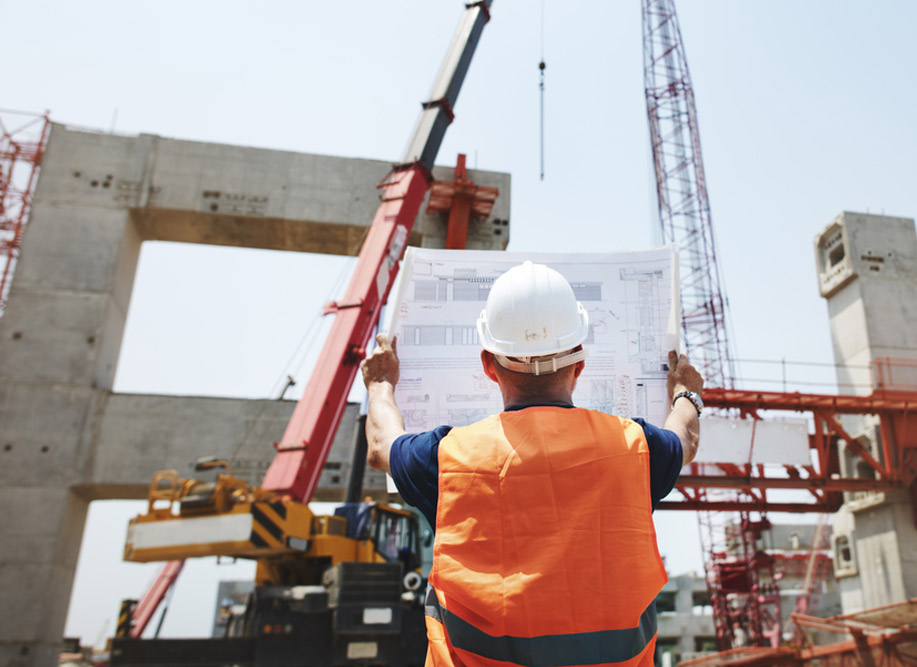
Builders Risk Insurance vs. Course of Construction Insurance
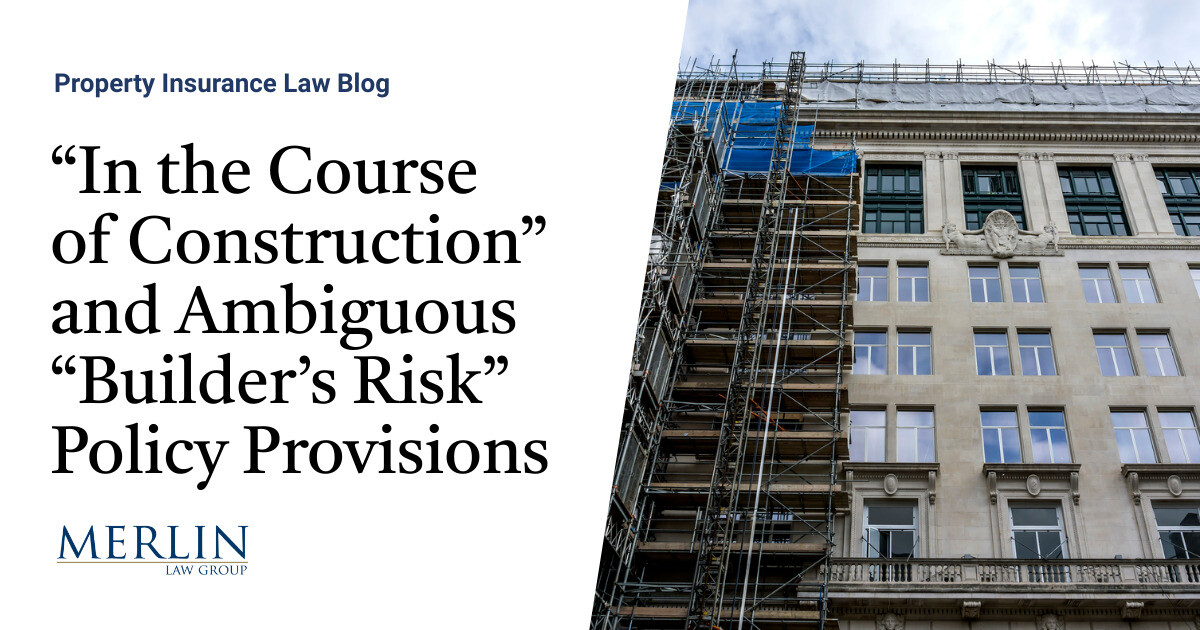
“In the Course of Construction” and Ambiguous “Builder’s Risk” Policy
Builders Risk Insurance vs. Course of Construction Insurance What’s the
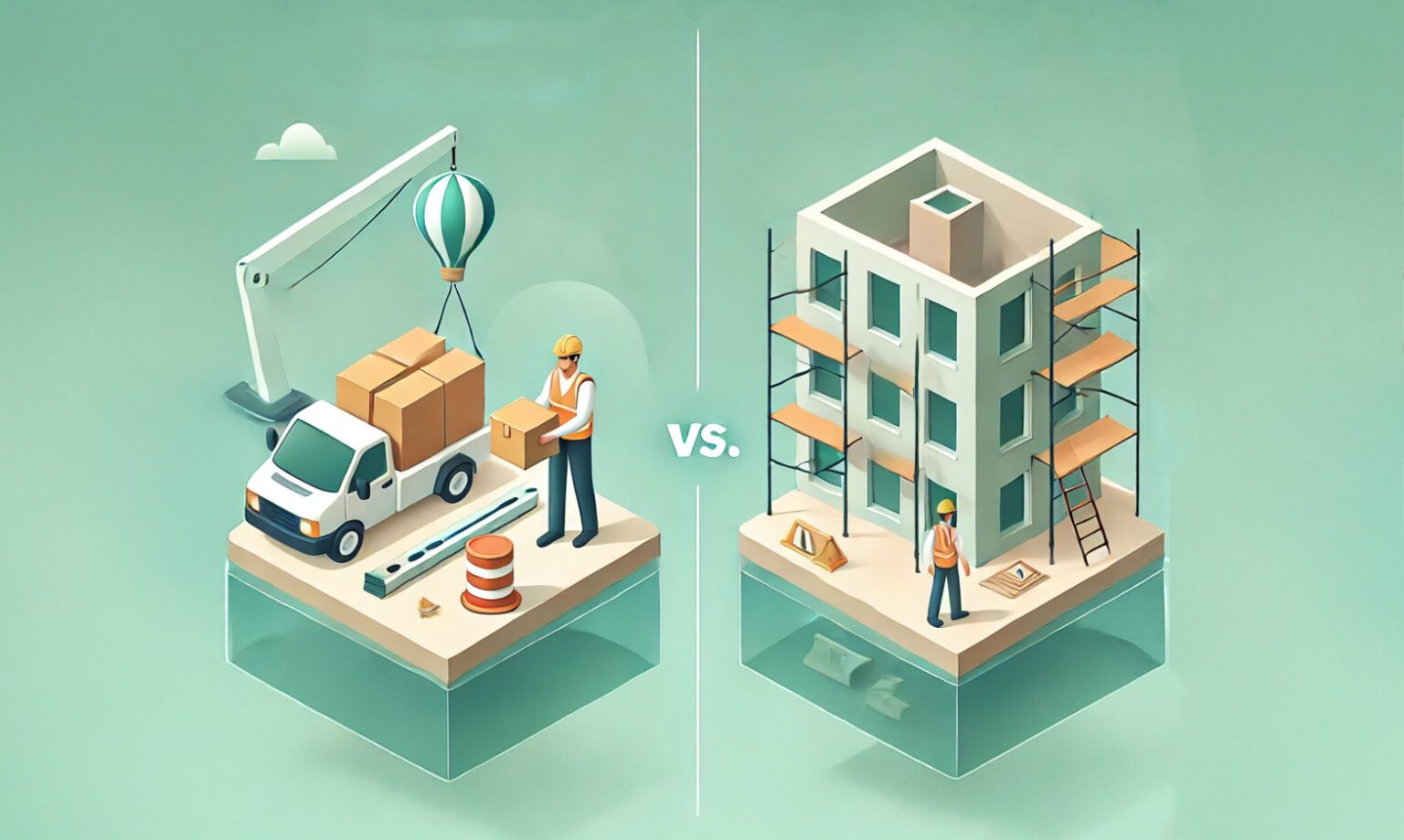
Installation Floater vs Builder Risk Insurance Comparison
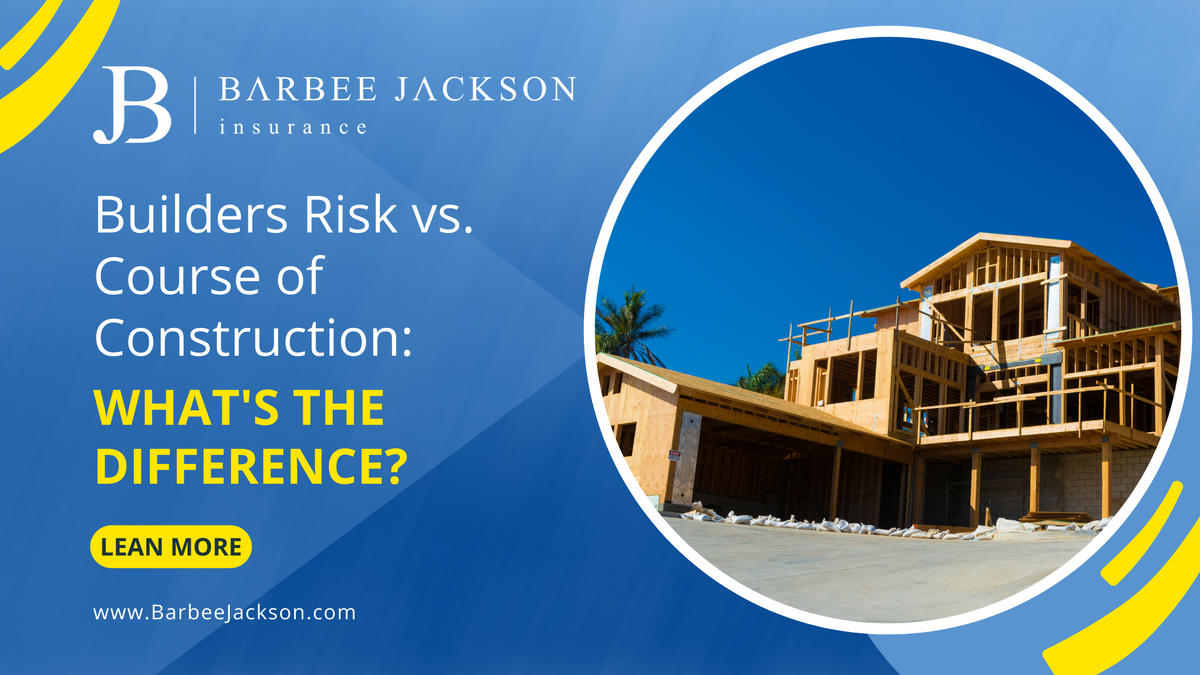
Builders Risk vs. Course of Construction What's the Difference

Installation Floater vs. Builders Risk YouTube

Course of Construction Insurance Structure and Material Coverage
Course of Construction Insurance, South Jordan, American Fork, and
Builder's Risk Insurance — Also Called “Course Of Construction Insurance” — Provides Coverage For Buildings That Are Currently Under Construction.
Commonly, The Owner Of Said Business Will Purchase What Is Known As A “Builder’s Risk” Insurance Policy.
This Risk Can Stem From Many Factors, Including Improperly Estimating The True Cost Of A Project, Hiring The Wrong People Or Subcontractors For The Job And Everything In.
It’s Essential In Helping Protect Construction Projects, But Can Be Complex And Often Misunderstood.
Related Post: