
Education Course Definition
Education Course Definition - In higher education a course is a unit of teaching that typically lasts one academic term, is led by one or more instructors (teachers or professors), and has a fixed roster of students. Why are courses important for education? A course usually covers an individual subject. Also called core curriculum, core course of study refers to a series or selection of courses that all students are required to complete before they can move on to the next level in their education or earn a diploma. A course usually covers an individual subject. This can also be referred to as a ‘module’, ‘unit’ or ‘subject’. Education course meaning | definition, pronunciation, translations and examples in american english The length, subject matter, and structure of these courses can be greatly altered to meet the demands of students with a. Discover the key distinctions between a class and a course in education. Courses are important for education because they provide students with a structured game plan for accomplishing learning objectives. A structured program designed to impart knowledge and skills in a specific area of study or professional training. The term curriculum refers to the lessons and academic content taught in a school or in a specific course or program. A class is the particular time and day that a lesson. A program is an approved set of academic requirements that lead to an accredited higher education award. Educators define curriculum in several ways. A degree program is made up of a specified number of required and elective courses and varies from institution to institution. Education course meaning | definition, pronunciation, translations and examples in american english Regularly scheduled class sessions of one to five hours (or more) per week during a term. Explore their unique definitions, roles in academic settings, and how they impact your learning journey. A course usually covers an individual subject. Discover the key distinctions between a class and a course in education. These courses typically lead to the attainment of a degree, diploma, or certification and are designed to provide advanced knowledge and skills in a specific field of study. The length, subject matter, and structure of these courses can be greatly altered to meet the demands of students with. In higher education, a course is a unit of teaching that typically lasts one academic term, is led by one or more instructors (teachers or professors), and has a fixed roster of students. This can also be referred to as a ‘module’, ‘unit’ or ‘subject’. Why are courses important for education? An education course is a structured programme designed to. No matter the definition, an educator is bound by the subject he/she teaches and curriculum is the way that it can be organized. Why are courses important for education? Your program is the qualification you will attain when you have successfully completed your studies. A course usually covers an individual subject. A course usually covers an individual subject. A simple definition of curriculum would be the subjects and the course of study in a school or college. This is an easy roadmap to tell the difference between a course or class. Perfect for students and educators seeking clarity on educational terminology. No matter the definition, an educator is bound by the subject he/she teaches and curriculum is the. Lessons are the subject matter or course material that is taught progressively; Courses are made up of multiple lessons (and, in turn, classes) lessons are the building blocks of a course that are taught during class; A degree program is made up of a specified number of required and elective courses and varies from institution to institution. A class is. Discover the key distinctions between a class and a course in education. In higher education, a course is a unit of teaching that typically lasts one academic term, is led by one or more instructors (teachers or professors), and has a fixed roster of students. Your program is the qualification you will attain when you have successfully completed your studies.. This can also be referred to as a ‘module’, ‘unit’ or ‘subject’. The term curriculum refers to the lessons and academic content taught in a school or in a specific course or program. In higher education, a course is a unit of teaching that typically lasts one academic term, is led by one or more instructors (teachers or professors), and. Four types of curriculum explicit curriculum. Higher education courses refer to academic programs offered by universities, colleges, and institutions beyond the secondary education level. These courses typically lead to the attainment of a degree, diploma, or certification and are designed to provide advanced knowledge and skills in a specific field of study. A course usually covers an individual subject. Educators. These courses focus on central ideas in western societies, such as psychology, sociology, english literature and political science. A course usually covers an individual subject. These courses typically lead to the attainment of a degree, diploma, or certification and are designed to provide advanced knowledge and skills in a specific field of study. The term curriculum refers to the lessons. A simple definition of curriculum would be the subjects and the course of study in a school or college. In higher education, a course is a unit of teaching that typically lasts one academic term, is led by one or more instructors (teachers or professors), and has a fixed roster of students. No matter the definition, an educator is bound. Explore their unique definitions, roles in academic settings, and how they impact your learning journey. In dictionaries, curriculum is often defined as the courses offered by a school, but it is rarely used in such a general sense in schools. Regularly scheduled class sessions of one to five hours (or more) per week during a term. A course usually covers an individual subject. A simple definition of curriculum would be the subjects and the course of study in a school or college. A degree program is made up of a specified number of required and elective courses and varies from institution to institution. An education course is a structured programme designed to impart knowledge, skills, and competencies in a particular subject or field. Courses are important for education because they provide students with a structured game plan for accomplishing learning objectives. Education course meaning | definition, pronunciation, translations and examples in american english Four types of curriculum explicit curriculum. Why are courses important for education? These courses typically lead to the attainment of a degree, diploma, or certification and are designed to provide advanced knowledge and skills in a specific field of study. The length, subject matter, and structure of these courses can be greatly altered to meet the demands of students with a. Discover the key distinctions between a class and a course in education. A program is an approved set of academic requirements that lead to an accredited higher education award. Lessons are the subject matter or course material that is taught progressively;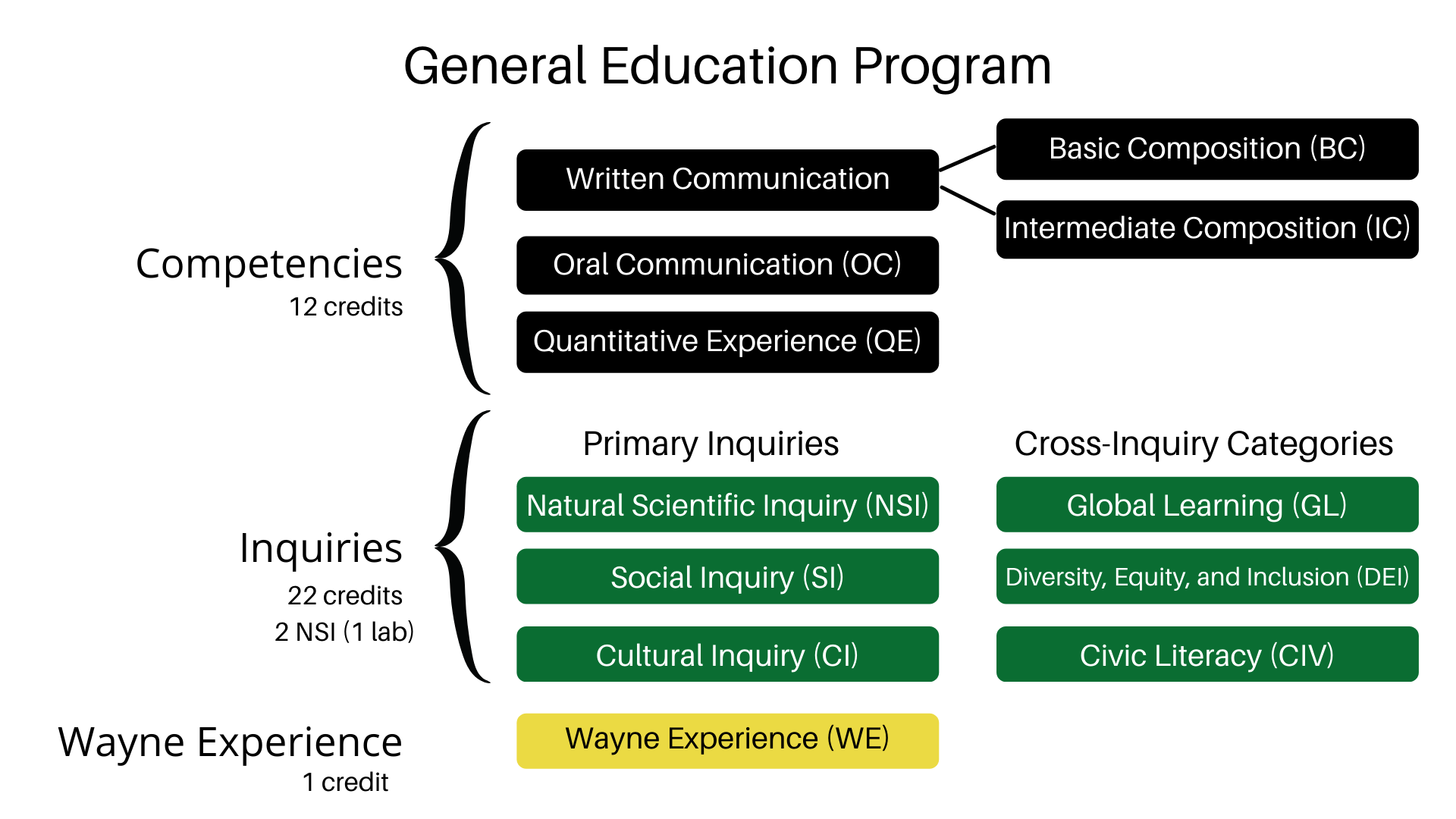
General Education Wayne State University

Course Titles in Graduate Programmes in Education. Download
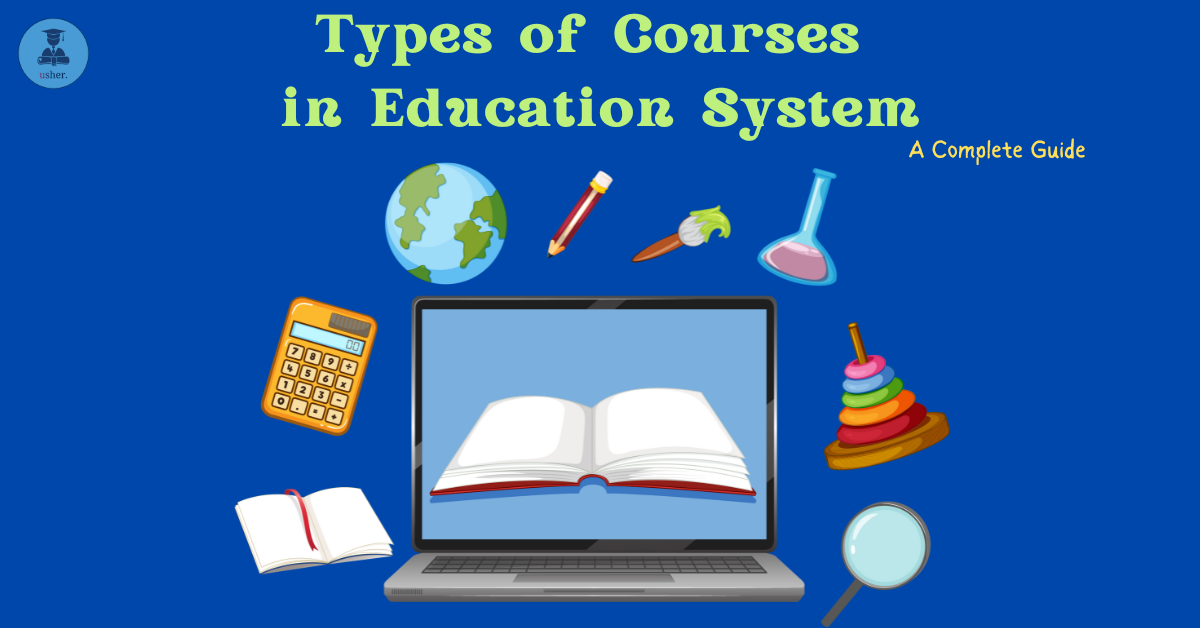
Types of Courses in Education System A Complete Guide Usher Education

Why Continuing Education Is Important The Link

What is an integrated B.Ed. course? What is the difference between a B

What Is Education Management? OSS Middle East Certification
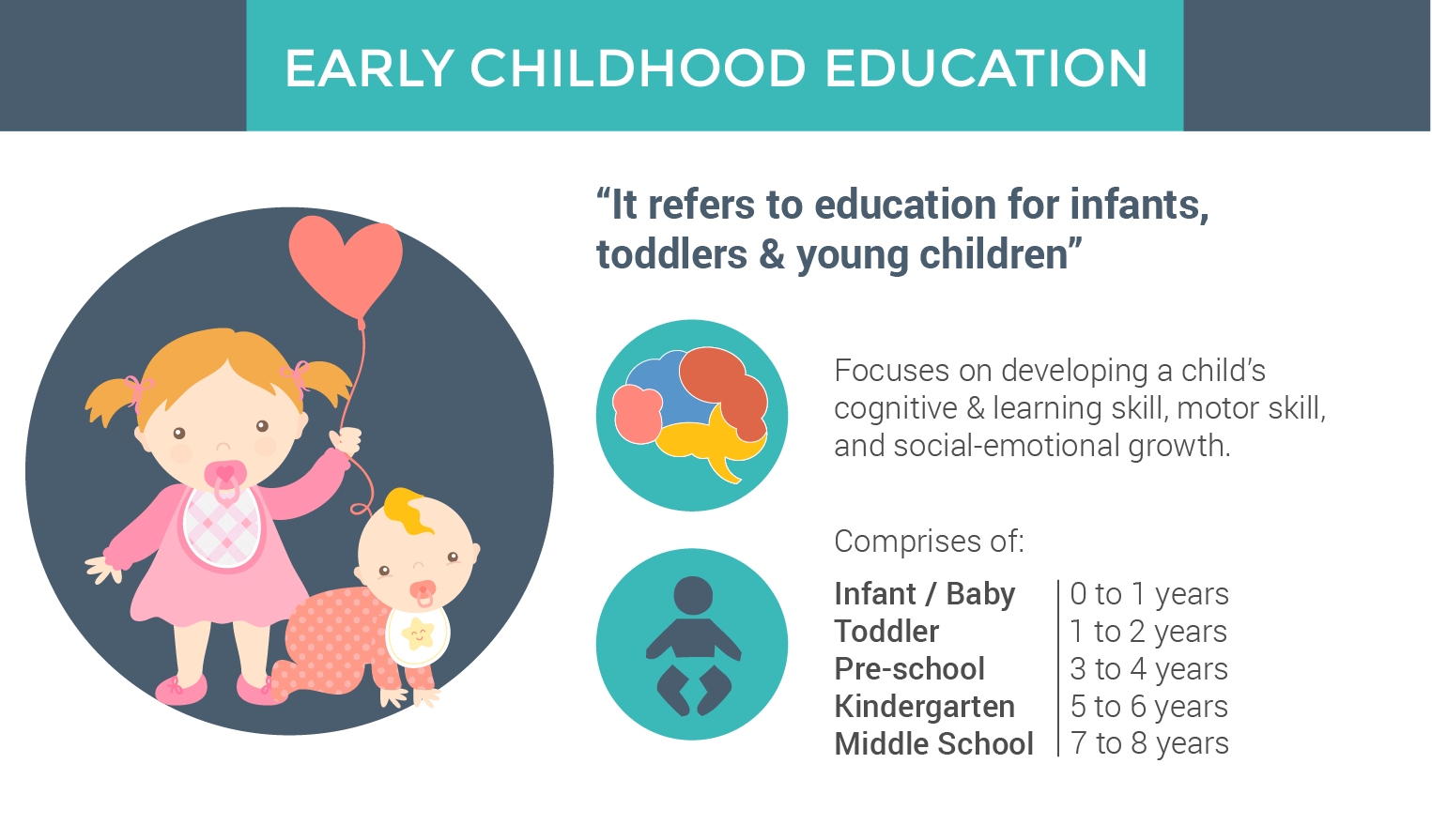
Early Childhood Education Course in Malaysia Pathway

What is General Education? Everything You Need to Know College Rank
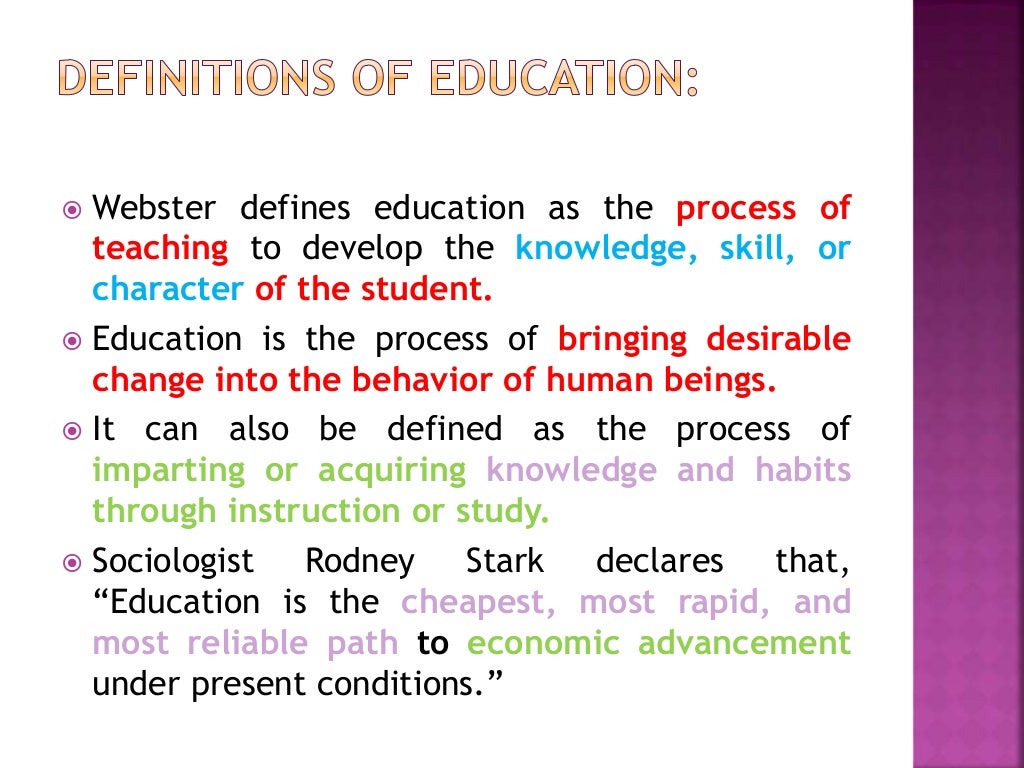
Education Meaning , Definition, types of education and characteristi…
.jpg)
General Education Core Curriculum Requirements WinstonSalem State
Your Program Is The Qualification You Will Attain When You Have Successfully Completed Your Studies.
This Can Also Be Referred To As A ‘Module’, ‘Unit’ Or ‘Subject’.
Courses Are Made Up Of Multiple Lessons (And, In Turn, Classes) Lessons Are The Building Blocks Of A Course That Are Taught During Class;
These Courses Focus On Central Ideas In Western Societies, Such As Psychology, Sociology, English Literature And Political Science.
Related Post: