
Header Brick Course
Header Brick Course - Units are laid horizontally with their longest end parallel to the face of the wall. Each horizontal layer of brick in a masonry structure is called a course. Bricks are laid with their shortest side exposed and vertical. In laying out any bond pattern, it is important that the corners be started correctly. Brick laid flat and perpendicular to the face of the wall are called headers. Header courses usually appear at every fifth, sixth or seventh course. In a header course, the shortest side of the brick is laid flat against the wall, exposing the width of the brick. It is a full brick or stone which is laid with its length perpendicular to the face of the wall. The basic certificate in construction masonry is designed to prepare students for employment in the residential and commercial masonry sector of the construction industry. A brick bond pattern in which headers are used for every course, creating a staggered pattern with alternating vertical joints. This orientation can display the bedding of a masonry stone. Units are laid on their widest edge so that their shorter ends face the. A brick bond pattern in which headers are used for every course, creating a staggered pattern with alternating vertical joints. Bricks are laid with their shortest side exposed and vertical. This type of course is commonly used for creating bonding. The basic certificate in construction masonry is designed to prepare students for employment in the residential and commercial masonry sector of the construction industry. It is a full brick or stone which is laid with its length perpendicular to the face of the wall. In a header course, the shortest side of the brick is laid flat against the wall, exposing the width of the brick. A header course requires twice as. Each horizontal layer of brick in a masonry structure is called a course. A header course consists entirely of. A header course requires twice as. This type of course is commonly used for creating bonding. In a header course, the shortest side of the brick is laid flat against the wall, exposing the width of the brick. Header courses usually appear at every fifth, sixth or seventh course. It is a full brick or stone in which is laid its length parallel to the face of the. This type of course is commonly used for creating bonding. Masonry coursing can be arranged in various orientations, according to which side of the masonry unit is facing the outside and how it is positioned. Brick laid flat and perpendicular to. Units are laid horizontally with their longest end parallel to the face of the wall. It is a full brick or stone which is laid with its length perpendicular to the face of the wall. This type of course is commonly used for creating bonding. Bricks are laid with their shortest side exposed and vertical. A brick bond pattern in. Mar 29, 2016 · the course of brickwork in which all the bricks are laid as headers is referred to as header course. A header course requires twice as. In masonry, the three most popular course types are stretcher courses, header courses and soldier courses. This type of course is commonly used for creating bonding. Header courses usually appear at. A course with bricks laid with their short sides facing the wall surface. A header course consists entirely of. Bricks are laid with their shortest side exposed and vertical. The basic certificate in construction masonry is designed to prepare students for employment in the residential and commercial masonry sector of the construction industry. Masonry coursing can be arranged in various. A header course requires twice as. In laying out any bond pattern, it is important that the corners be started correctly. It is a full brick or stone in which is laid its length parallel to the face of the. Each horizontal layer of brick in a masonry structure is called a course. In masonry, the three most popular course. It is a full brick or stone in which is laid its length parallel to the face of the. Units are laid horizontally with their longest end parallel to the face of the wall. In masonry, the three most popular course types are stretcher courses, header courses and soldier courses. Units are laid on their widest edge so that their. Brick laid flat and perpendicular to the face of the wall are called headers. A header course requires twice as. Masonry coursing can be arranged in various orientations, according to which side of the masonry unit is facing the outside and how it is positioned. The basic certificate in construction masonry is designed to prepare students for employment in the. This orientation can display the bedding of a masonry stone. A course with bricks laid with their short sides facing the wall surface. In laying out any bond pattern, it is important that the corners be started correctly. Units are laid on their widest edge so that their shorter ends face the. In a header course, the shortest side of. Header courses usually appear at every fifth, sixth or seventh course. Bricks are laid with their shortest side exposed and vertical. In laying out any bond pattern, it is important that the corners be started correctly. Masonry coursing can be arranged in various orientations, according to which side of the masonry unit is facing the outside and how it is. In laying out any bond pattern, it is important that the corners be started correctly. A header course consists entirely of. Do you know what a course of masonry is? It is a full brick or stone which is laid with its length perpendicular to the face of the wall. This orientation can display the bedding of a masonry stone. Stretcher courses are courses of bricks or stones that lie with the. Brick laid flat and perpendicular to the face of the wall are called headers. It is a full brick or stone in which is laid its length parallel to the face of the. A header course requires twice as. A course with bricks laid with their short sides facing the wall surface. Units are laid horizontally with their longest end parallel to the face of the wall. Mar 29, 2016 · the course of brickwork in which all the bricks are laid as headers is referred to as header course. Bricks are laid with their shortest side exposed and vertical. This type of course is commonly used for creating bonding. Each horizontal layer of brick in a masonry structure is called a course. In masonry, the three most popular course types are stretcher courses, header courses and soldier courses.
Technical Study Brick Bonds and Patterns

Acme Brick Masonry Designer Help Topics
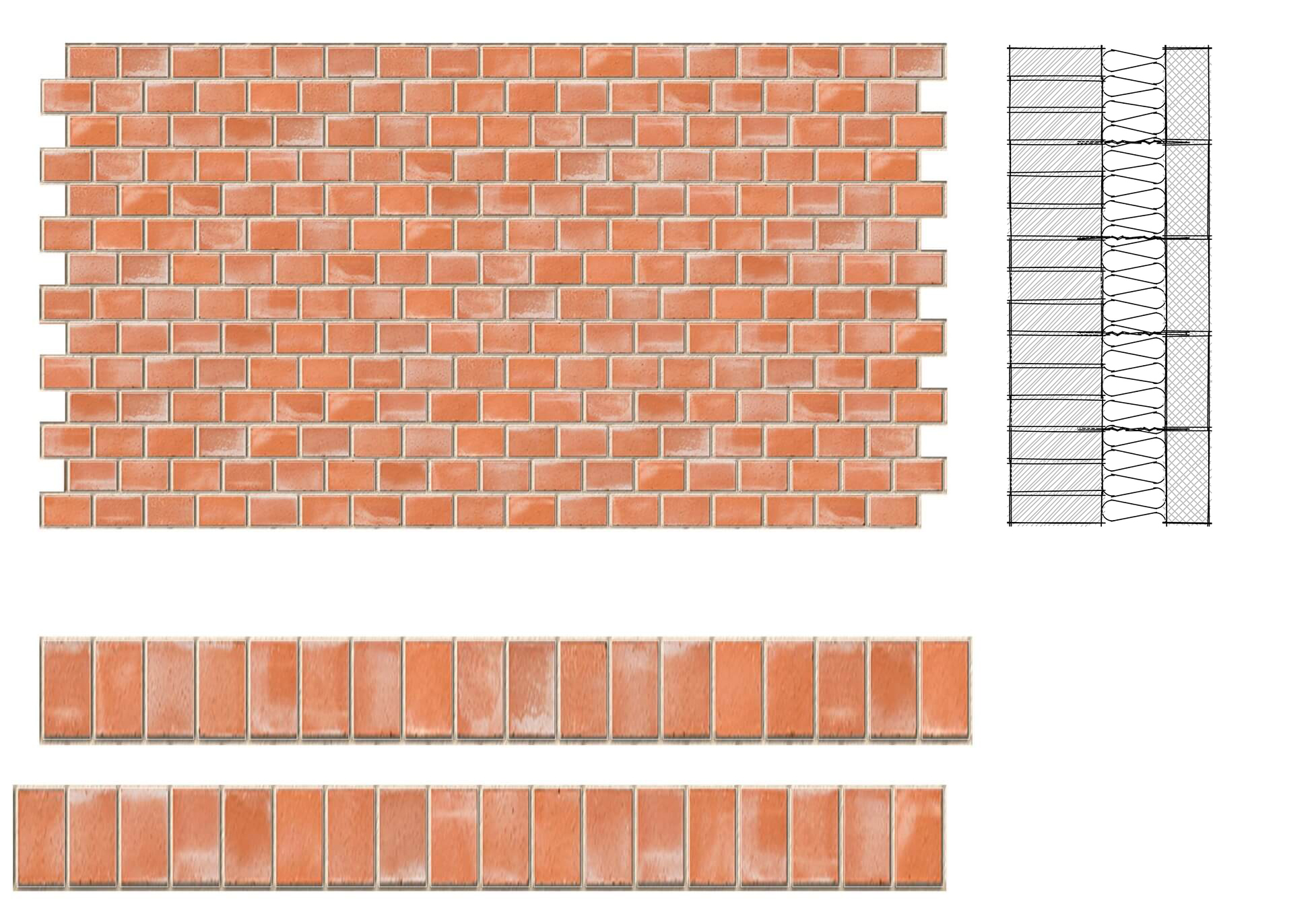
Technical Details An Architect's Guide to Brick Bonds and Patterns

Simple brick boundary wall with header course. Gạch, Kiến trúc, Hàng rào
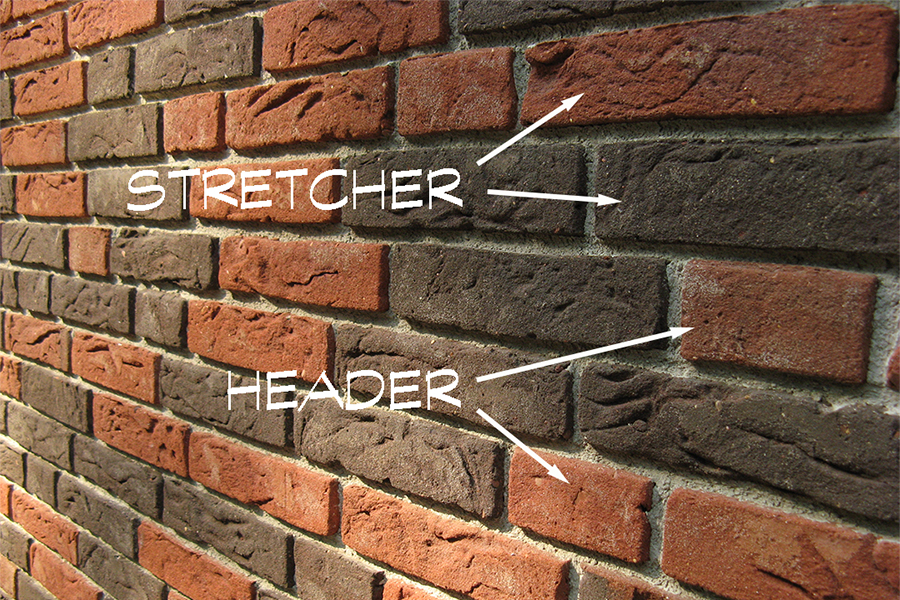
Glossary Housing info
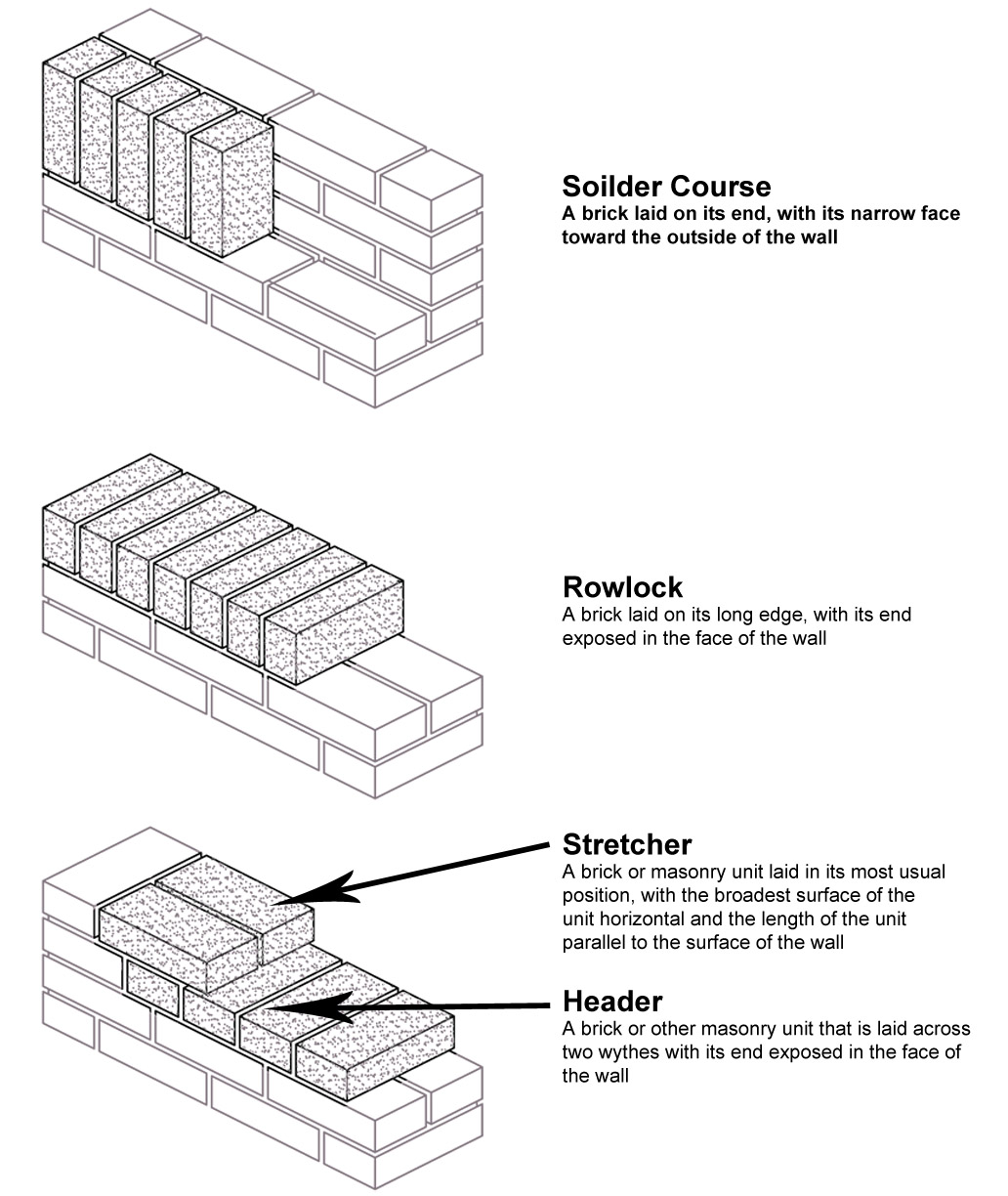
Brick Masonry Buildipedia

Exposed brick building Auroshivas good earth institute
![Bricks & Brick Masonry [Building Construction] Civil Engineering](https://civilenggascent.com/wp-content/uploads/2022/03/Header-bond.jpg)
Bricks & Brick Masonry [Building Construction] Civil Engineering
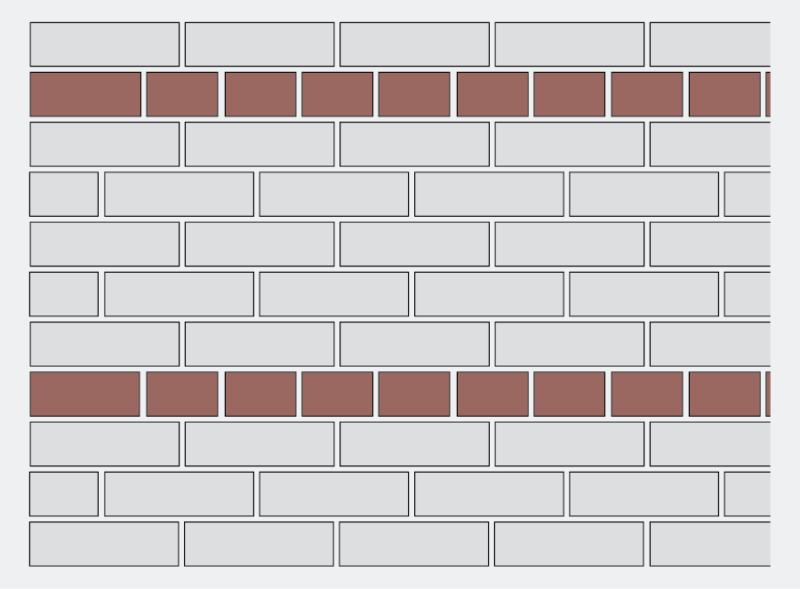
Typical Brick Bonds Archtoolbox

BRICK Stretcher & Header Building techniques, Building design, Brick
A Brick Bond Pattern In Which Headers Are Used For Every Course, Creating A Staggered Pattern With Alternating Vertical Joints.
Masonry Coursing Can Be Arranged In Various Orientations, According To Which Side Of The Masonry Unit Is Facing The Outside And How It Is Positioned.
The Basic Certificate In Construction Masonry Is Designed To Prepare Students For Employment In The Residential And Commercial Masonry Sector Of The Construction Industry.
Units Are Laid On Their Widest Edge So That Their Shorter Ends Face The.
Related Post: