
Instrumentation Courses
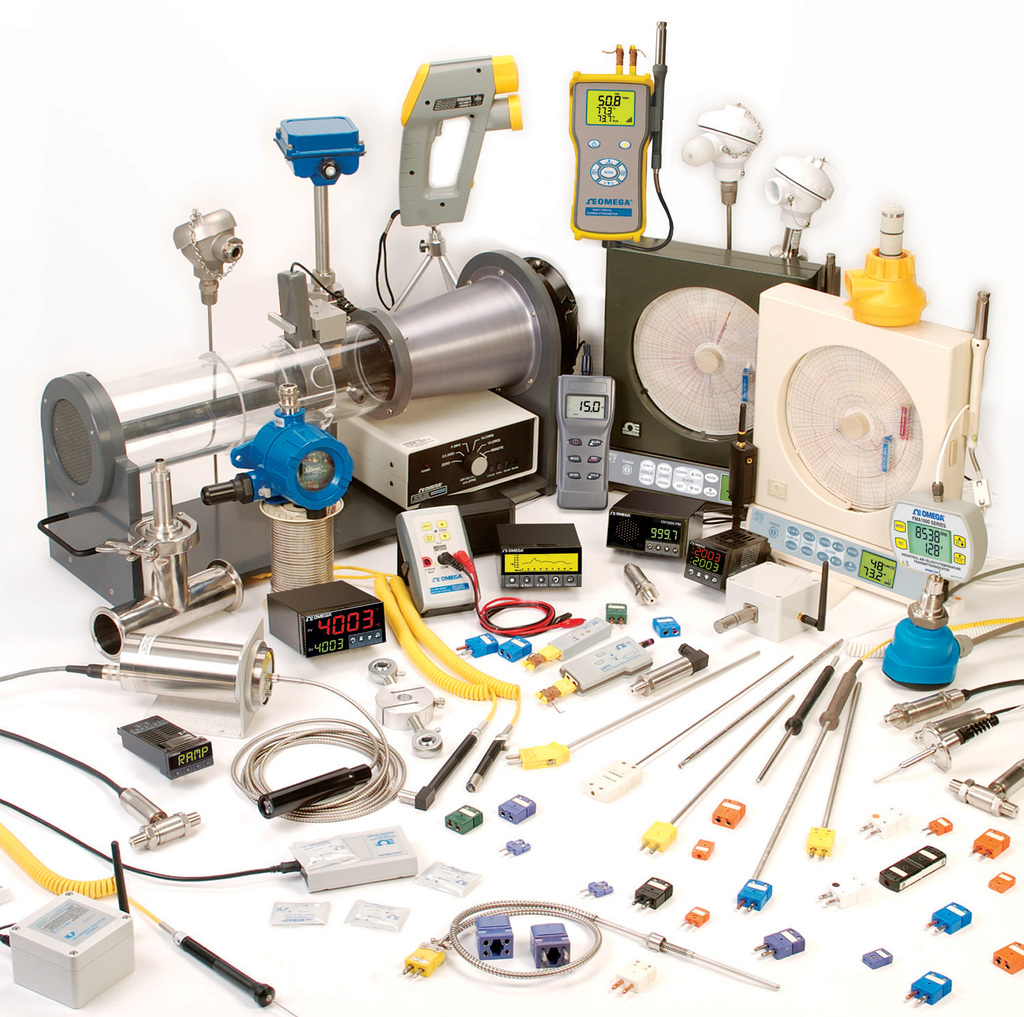
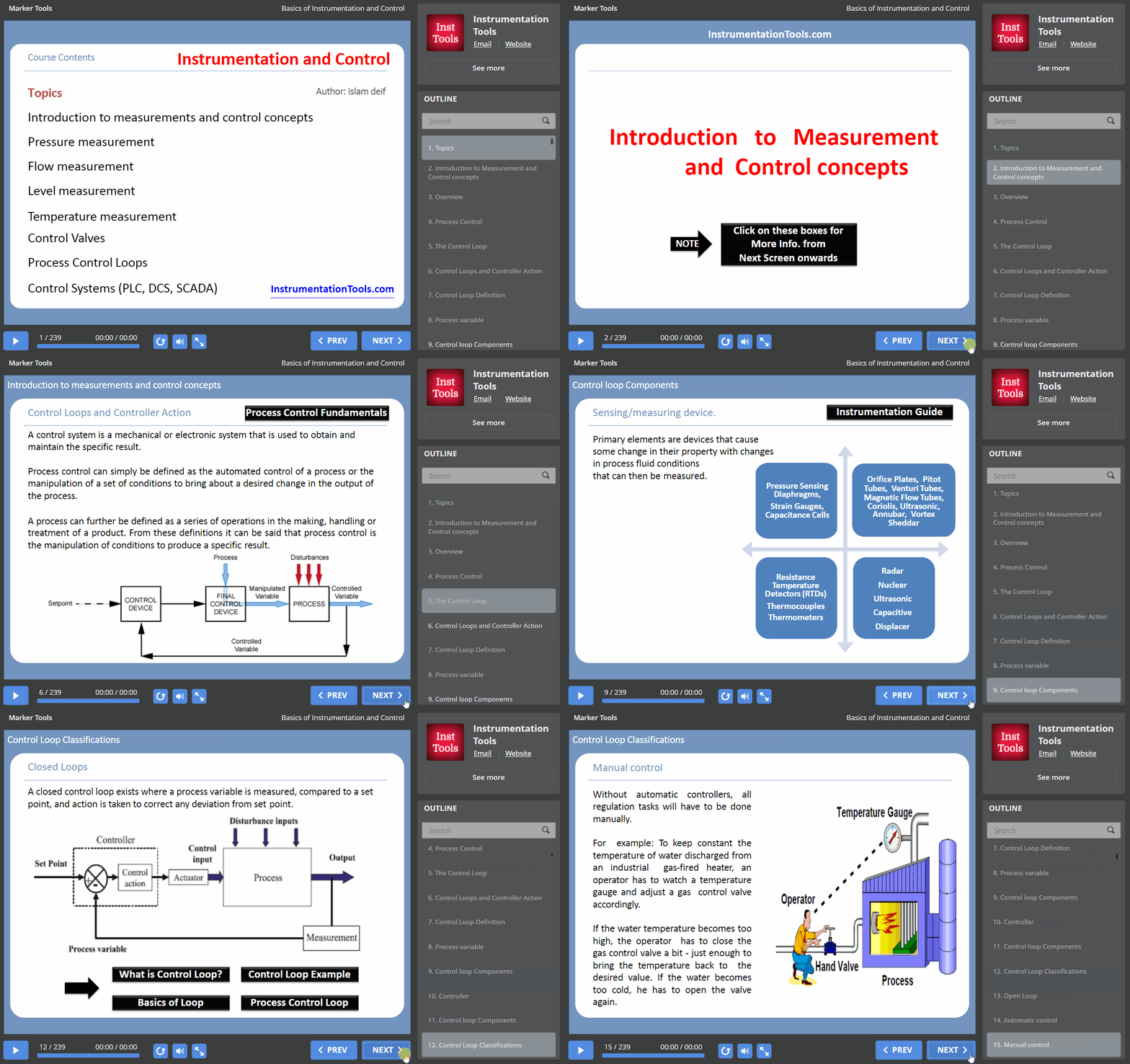
Instrumentation Courses - The purpose of an instrumentation engineer is to conceptualize, design, detail, maintain and trouble shoot control system for its industry. The basic instrumentation course covers the fundamentals of instrumentation, process diagrams, loop drawings, dmm basics, and fundamentals of temperature, pressure, level, and flow. Changed mindset and government’s compliance put efforts to make safety as first priority against profits and production. Comprehensive lessons on instrumentation fundamentals; This includes understanding process measurements, control systems, and various technologies like plcs, scada, and dcs. There are courses for all levels from begining technician to experienced plant manager. This course is designed for beginners and will cover essential concepts and practical applications in the field. • introduction to instrumentation for measurement and control. Provides review of technologies, terminology, and symbols needed to work in the field, understand p&ids and perform basic wiring techniques. Tpc's recommended training curriculum for instrumentation & control systems technician includes 53 technical skills courses. There will be weekly laboratory assignments where students will have hands on experience with various sensors. Industrial instrumentation is critical to modern industries, ensuring efficiency, accuracy, and safety in automated systems. Comprehensive lessons on instrumentation fundamentals; Our comprehensive instrumentation training course equips professionals with the technical expertise required to efficiently operate and maintain instrumentation systems, ensuring accurate measurements through proper instrumentation calibration, diagnostics, and maintenance. The basic instrumentation course covers the fundamentals of instrumentation, process diagrams, loop drawings, dmm basics, and fundamentals of temperature, pressure, level, and flow. These training courses include topics such as alarm management, scada systems, p&id loop, batch control, hmi, fire and gas systems, instruments, sensors and more. • pid control including loop tuning. Based on academic performance, financial need, and specific criteria, like high jee ranks or cgpas above 8.0. Use various instruments to measure temperature, pressure, flow rate, level and position, ph, and analysis of weight and density. This course is designed for beginners and will cover essential concepts and practical applications in the field. This includes understanding process measurements, control systems, and various technologies like plcs, scada, and dcs. Fully animated course designed by industry experts Students will learn pressure for liquid level measurement and fundamentals of flow, including differential, electromagnetic, vortex, and coriolis flow measurement. Our comprehensive instrumentation training course equips professionals with the technical expertise required to efficiently operate and maintain instrumentation. This course is designed for beginners and will cover essential concepts and practical applications in the field. This includes understanding process measurements, control systems, and various technologies like plcs, scada, and dcs. Whether you are new to instrumentation engineering, or a qualified engineer looking to upskill, we have the control and instrumentation training course for you. As automation continues to. The devices that you will work on are used in automated production. Our comprehensive instrumentation training course equips professionals with the technical expertise required to efficiently operate and maintain instrumentation systems, ensuring accurate measurements through proper instrumentation calibration, diagnostics, and maintenance. Listed below are some of the topics i will cover with you in this course. Tpc's recommended training curriculum. This course introduces you to control in process industries, explains why control is important, identifies different ways in which precise control is ensured and illustrates the different set of instrumentation used to perform measuring tasks for temperature, pressure, flow and level. This course is designed for beginners and will cover essential concepts and practical applications in the field. Instrumentation training. These training courses include topics such as alarm management, scada systems, p&id loop, batch control, hmi, fire and gas systems, instruments, sensors and more. The devices that you will work on are used in automated production. Changed mindset and government’s compliance put efforts to make safety as first priority against profits and production. Provides review of technologies, terminology, and symbols. The purpose of an instrumentation engineer is to conceptualize, design, detail, maintain and trouble shoot control system for its industry. Whether you are new to instrumentation engineering, or a qualified engineer looking to upskill, we have the control and instrumentation training course for you. Our comprehensive instrumentation training course equips professionals with the technical expertise required to efficiently operate and. Check outr b.tech electronics and instrumentation engineering fees 2025, admission dates, eligibility, course duration, cutoff, placement, scholarship and more. The devices that you will work on are used in automated production. Our online training provides technicians with knowledge of process variables, control systems, sensors, transmitters, control loops, and plcs needed to install, maintain, and improve equipment, systems, and machinery. Comprehensive. Our online training provides technicians with knowledge of process variables, control systems, sensors, transmitters, control loops, and plcs needed to install, maintain, and improve equipment, systems, and machinery. Based on academic performance, financial need, and specific criteria, like high jee ranks or cgpas above 8.0. Our comprehensive instrumentation training course equips professionals with the technical expertise required to efficiently operate. Comprehensive lessons on instrumentation fundamentals; The basic instrumentation course covers the fundamentals of instrumentation, process diagrams, loop drawings, dmm basics, and fundamentals of temperature, pressure, level, and flow. Instrumentation technology courses will teach you how to install, maintain, test, and calibrate highly complex devices that are used in the automation of industrial processes. • introduction to instrumentation for measurement and. Listed below are some of the topics i will cover with you in this course. Our comprehensive instrumentation training course equips professionals with the technical expertise required to efficiently operate and maintain instrumentation systems, ensuring accurate measurements through proper instrumentation calibration, diagnostics, and maintenance. As automation continues to grow, so does the demand for skilled professionals who can calibrate, maintain,. This course is designed for beginners and will cover essential concepts and practical applications in the field. Check outr b.tech electronics and instrumentation engineering fees 2025, admission dates, eligibility, course duration, cutoff, placement, scholarship and more. All our courses are industry accredited and taught by fully qualified consultants or engineers with practical and on. Listed below are some of the topics i will cover with you in this course. Our online training provides technicians with knowledge of process variables, control systems, sensors, transmitters, control loops, and plcs needed to install, maintain, and improve equipment, systems, and machinery. Based on academic performance, financial need, and specific criteria, like high jee ranks or cgpas above 8.0. Students will learn pressure for liquid level measurement and fundamentals of flow, including differential, electromagnetic, vortex, and coriolis flow measurement. Use various instruments to measure temperature, pressure, flow rate, level and position, ph, and analysis of weight and density. Fully animated course designed by industry experts Industrial instrumentation is critical to modern industries, ensuring efficiency, accuracy, and safety in automated systems. Focuses on how energy systems work today and how they can work in a decarbonized sustainable future, while still meeting the critical energy needs of global developed and developing societies. Whether you are new to instrumentation engineering, or a qualified engineer looking to upskill, we have the control and instrumentation training course for you. These training courses include topics such as alarm management, scada systems, p&id loop, batch control, hmi, fire and gas systems, instruments, sensors and more. • introduction to instrumentation for measurement and control. The devices that you will work on are used in automated production. Tpc's recommended training curriculum for instrumentation & control systems technician includes 53 technical skills courses.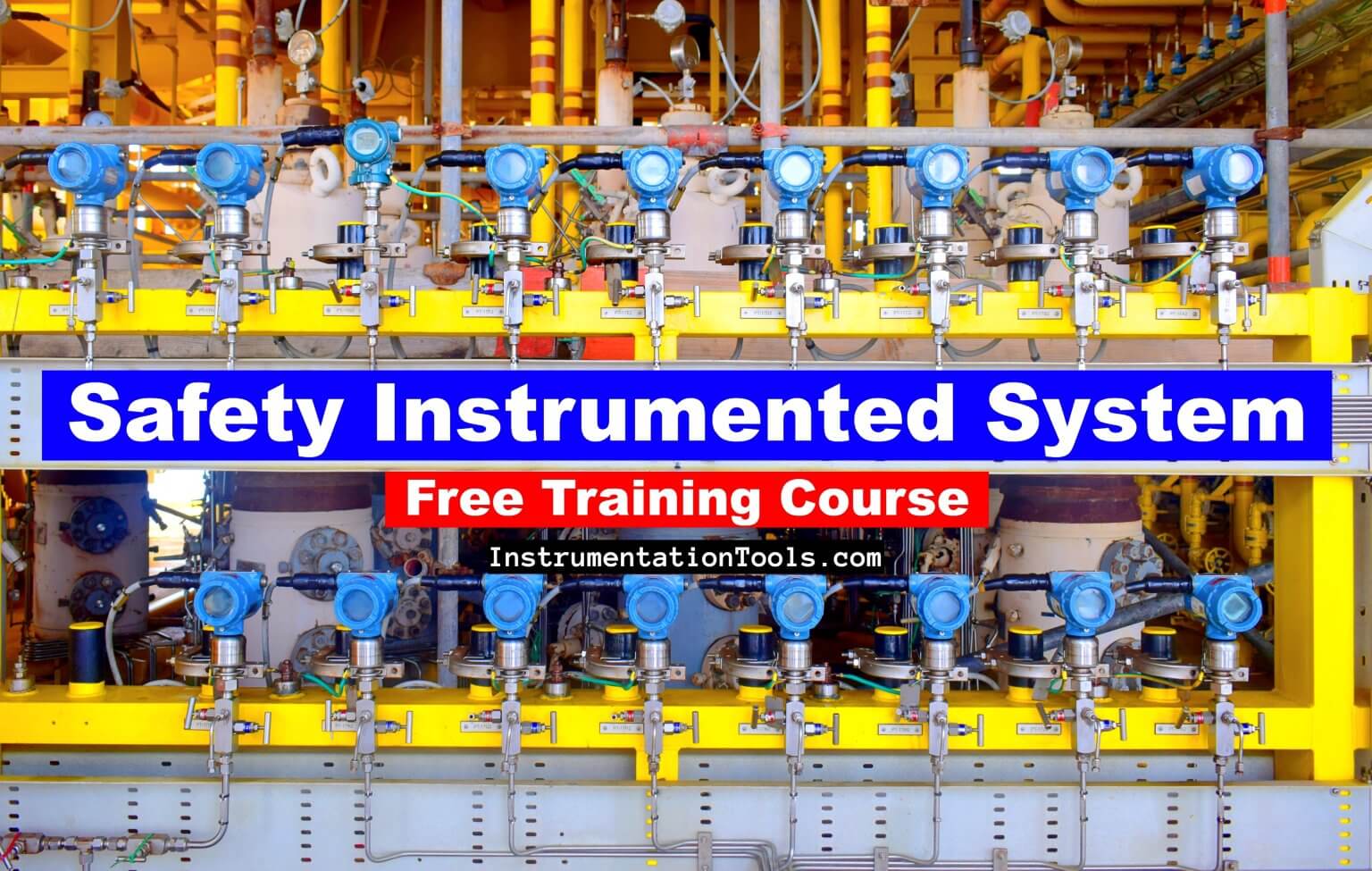
️ field instrumentation training Inst Tools
Short Courses
Industrial Instrumentation Online Training Course
![Instrumentation engineering beginner course [01] Introduction YouTube](https://i.ytimg.com/vi/R_XGAuxhmwA/maxresdefault.jpg)
Instrumentation engineering beginner course [01] Introduction YouTube
Process Instrumentation SITRAIN Germany, Siemens Training
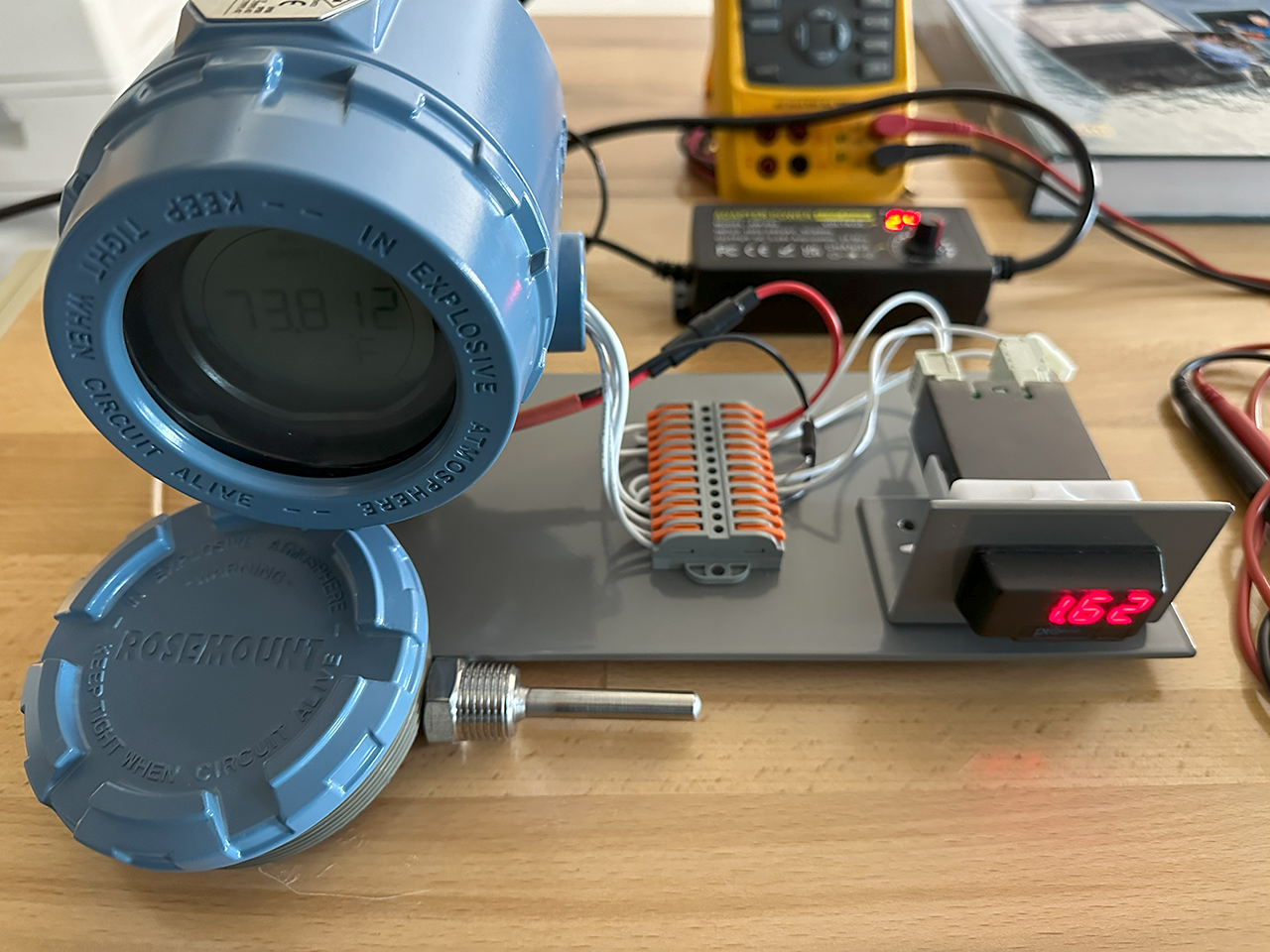
Handson Instrumentation & Controls Course
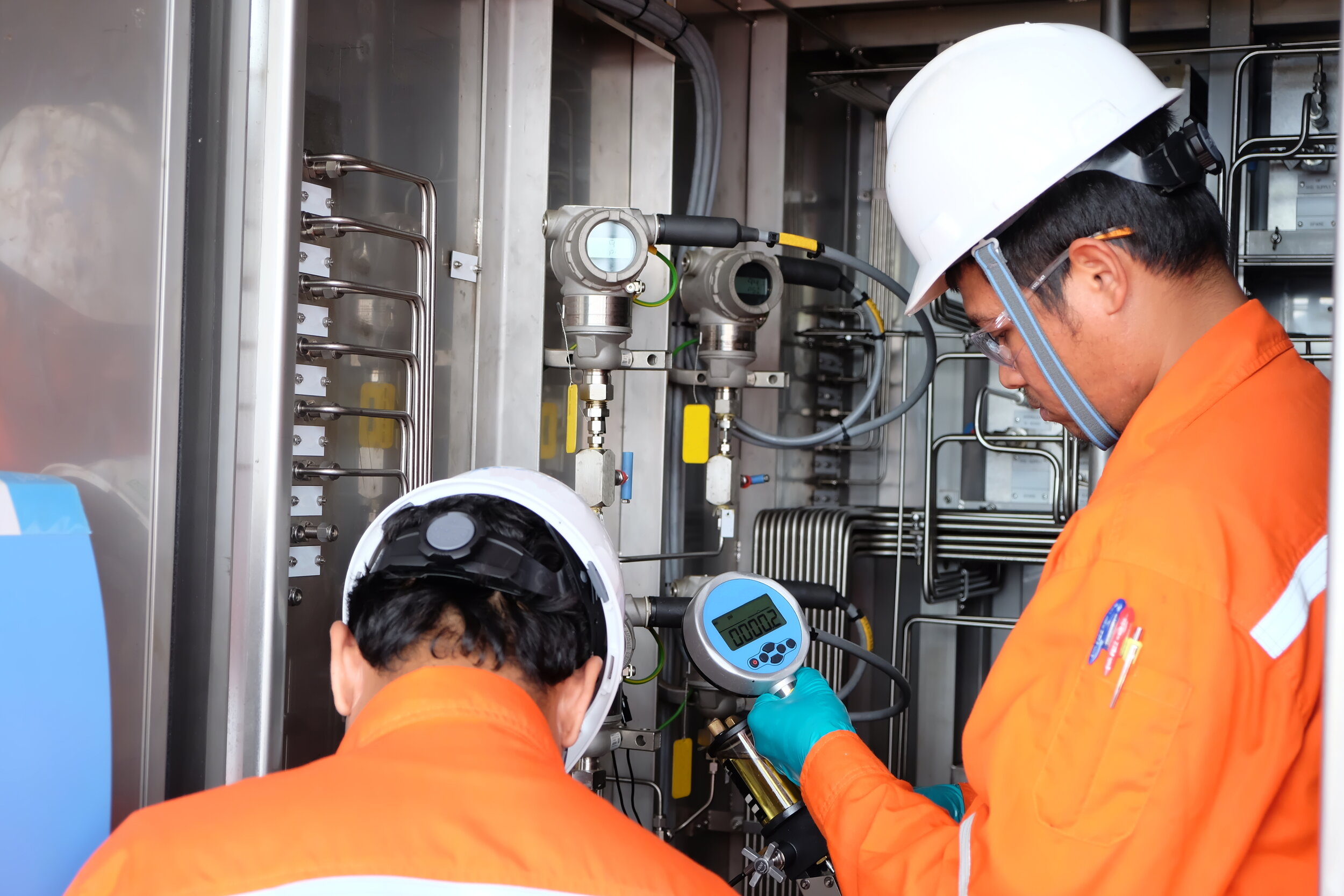
Control and Instrumentation Training Courses — MCP Technical Training
Instrumentation Engineering Course Overview, Specializations, and Careers
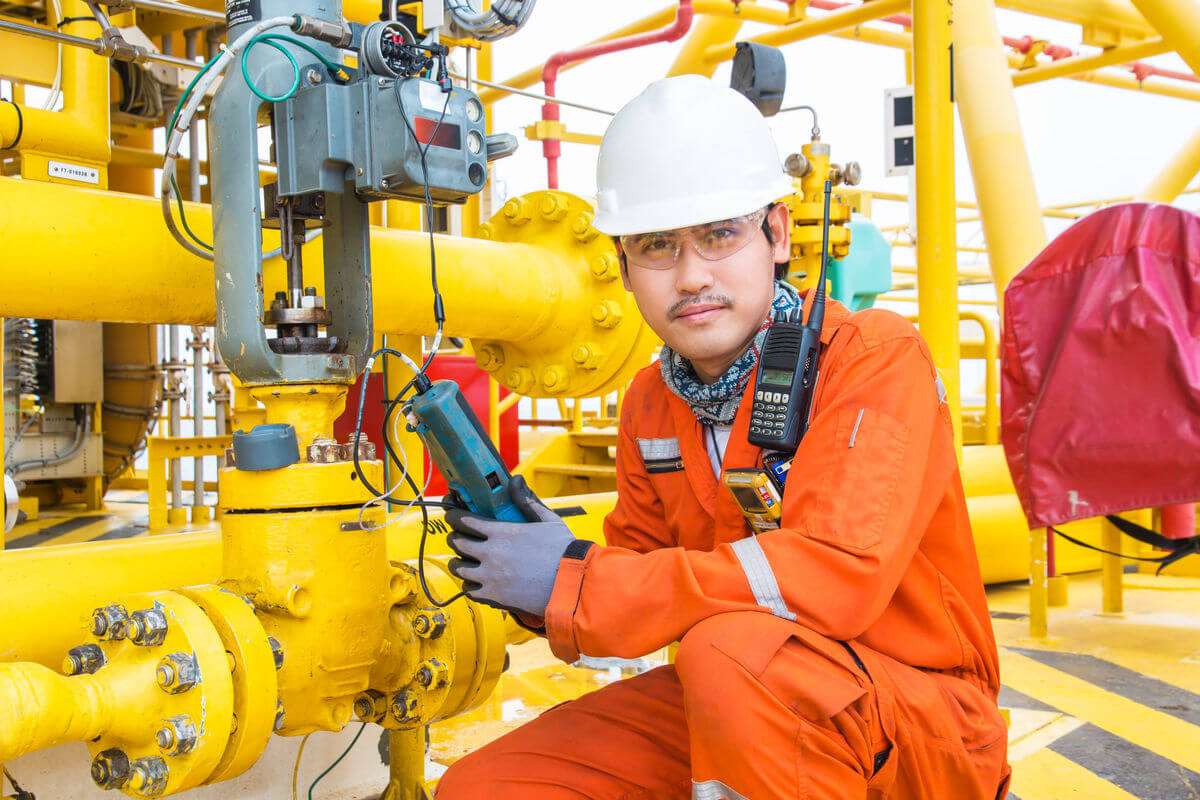
UEE40420 Cert IV in Electrical Instrumentation Meo Training
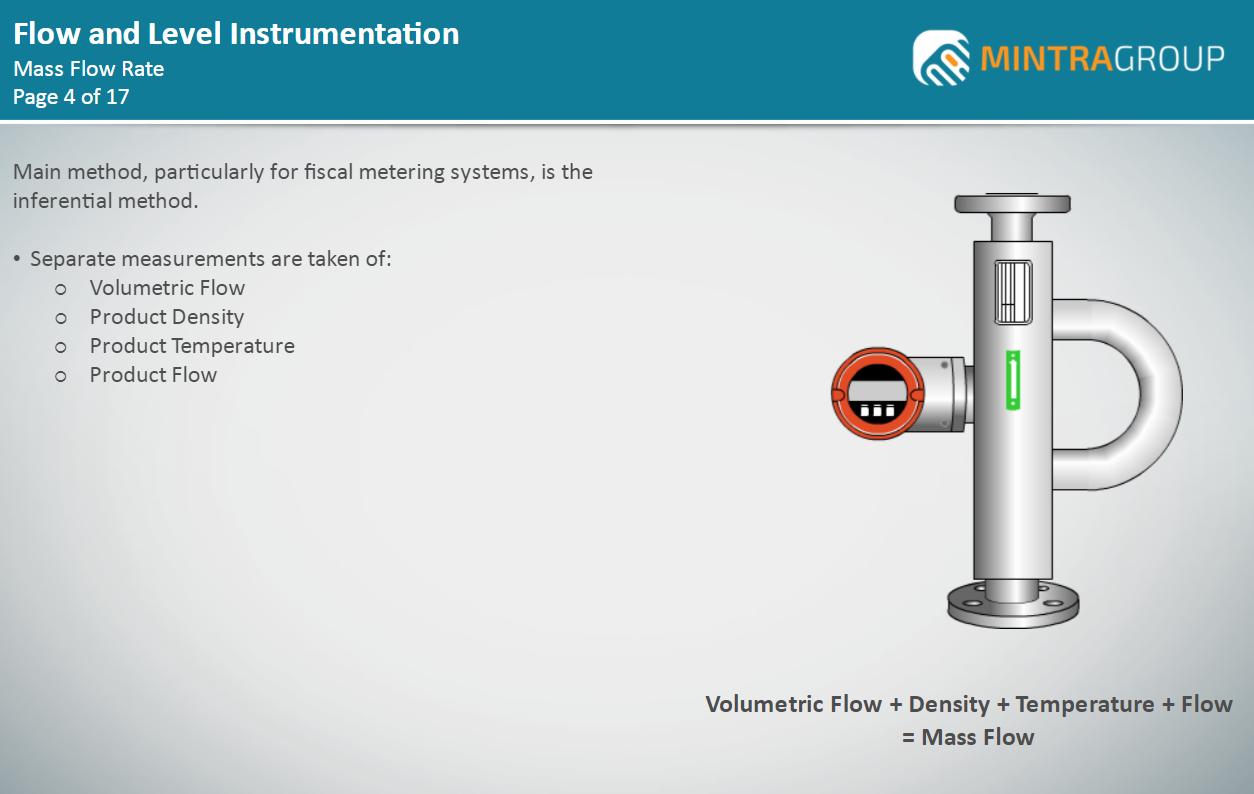
Introduction to Flow and Level Instrumentation Training Course
Instrumentation Technology Courses Will Teach You How To Install, Maintain, Test, And Calibrate Highly Complex Devices That Are Used In The Automation Of Industrial Processes.
The Purpose Of An Instrumentation Engineer Is To Conceptualize, Design, Detail, Maintain And Trouble Shoot Control System For Its Industry.
As Automation Continues To Grow, So Does The Demand For Skilled Professionals Who Can Calibrate, Maintain, And Diagnose These Systems Across Manufacturing, Energy, And Process Control Industries.
Comprehensive Lessons On Instrumentation Fundamentals;
Related Post: