
Life Course Sociology
Life Course Sociology - The life histories and future trajectories of individuals and groups were largely neglected by early sociological research. It locates individual and family development in cultural and historical contexts. La sociologie du vieillissement et du cours de la vie se concentre sur les changements qui se produisent à travers le cours de la vie et comment ils sont influencés par la société. By examining the life cycle, sociologists can explore how societal norms and institutions shape individual development and how individuals navigate the challenges and opportunities that arise at different stages of life. The life course approach examines an individual’s life history and sees for example how early events influence future decisions and events, giving particular attention to the connection between individuals and the historical and socioeconomic context in which they lived. The life course approach, also known as the life course perspective or life course theory, refers to an approach developed in the 1960s for analyzing people's lives within structural, social, and cultural contexts. The life course refers to the sequence of socially defined events and roles that individuals are expected to enact over time. The life course refers to the social phases we progress through, throughout our lives. Traditionally, these were seen as quite fixed, especially for women (who would be expected to be dependent on their parents until being married, at which point they would be dependent on their husbands and bear and rear children). Their fundamental argument is that persistent offending and desistance—or trajectories of crime—can be meaningfully understood within the same theoretical framework, namely, a revised agegraded theory of informal social control. Les principaux concepts qui sont étudiés dans cette discipline sont l'âge, le genre, la race, la classe sociale, la religion et la sexualité. Comprehensiveness and comparative and historical perspectives. Provide an example of how events during childhood may have a lifelong impact. List the major changes of the life course. Discuss what is meant by resocialization. As sociologists examining the life course, we will emphasize the dynamic interactions between people and their environment. The life course is a central concept in sociology, representing the sequence of socially defined events and roles that an individual enacts over time. The life course approach examines an individual’s life history and sees for example how early events influence future decisions and events, giving particular attention to the connection between individuals and the historical and socioeconomic context in which they lived. In this paper, we seek to address three interlinked issues concerning the potential for a more productive interchange between life course sociology and life span psychology. This concise volume provides an excellent overview of the key themes of life course sociology, with chapters dedicated to general principles as well as specific life course stages and outcomes. The life course refers to the social phases we progress through, throughout our lives. Life course theory (lct) looks at how chronological age, relationships, common life transitions, life events, social change, and human agency shape people’s lives from birth to death. It locates individual and family development in cultural and historical contexts. Les principaux concepts qui sont étudiés dans cette. This article reviews recent developments in constructionist approaches to life course studies. It encompasses the different stages and transitions individuals experience throughout their lifetimes, from birth to death, and how these stages are shaped by social, historical, and cultural factors. The life course perspective provides a lens or framework for understanding continuity and change in human lives. By examining the. The life course refers to the social phases we progress through, throughout our lives. Les principaux concepts qui sont étudiés dans cette discipline sont l'âge, le genre, la race, la classe sociale, la religion et la sexualité. As sociologists examining the life course, we will emphasize the dynamic interactions between people and their environment. This article reviews recent developments in. In this paper, we seek to address three interlinked issues concerning the potential for a more productive interchange between life course sociology and life span psychology. The life histories and future trajectories of individuals and groups were largely neglected by early sociological research. Les principaux concepts qui sont étudiés dans cette discipline sont l'âge, le genre, la race, la classe. In this paper, we seek to address three interlinked issues concerning the potential for a more productive interchange between life course sociology and life span psychology. This article reviews recent developments in constructionist approaches to life course studies. Life course theory (lct) looks at how chronological age, relationships, common life transitions, life events, social change, and human agency shape people’s. The life course is a conceptual paradigm encompassing all stages of human life from birth to death within their changing social structural contexts. The life course perspective provides a lens or framework for understanding continuity and change in human lives. La sociologie du vieillissement et du cours de la vie se concentre sur les changements qui se produisent à travers. The life course is a conceptual paradigm encompassing all stages of human life from birth to death within their changing social structural contexts. In this paper, i discuss these five different concepts of the life course and their value for the study of aging and human development. Les principaux concepts qui sont étudiés dans cette discipline sont l'âge, le genre,. The life course is a central concept in sociology, representing the sequence of socially defined events and roles that an individual enacts over time. The life course refers to the sequence of socially defined events and roles that individuals are expected to enact over time. It locates individual and family development in cultural and historical contexts. The life course approach,. The life course perspective provides a lens or framework for understanding continuity and change in human lives. As sociologists examining the life course, we will emphasize the dynamic interactions between people and their environment. The life course perspective is a sociological way of defining the process of life through the context of a culturally defined sequence of age categories that. It locates individual and family development in cultural and historical contexts. The life course approach, also known as the life course perspective or life course theory, refers to an approach developed in the 1960s for analyzing people's lives within structural, social, and cultural contexts. La sociologie du vieillissement et du cours de la vie se concentre sur les changements qui. This concise volume provides an excellent overview of the key themes of life course sociology, with chapters dedicated to general principles as well as specific life course stages and outcomes. The life course refers to the social phases we progress through, throughout our lives. Discuss what is meant by resocialization. List the major changes of the life course. Their fundamental argument is that persistent offending and desistance—or trajectories of crime—can be meaningfully understood within the same theoretical framework, namely, a revised agegraded theory of informal social control. The life course perspective provides a lens or framework for understanding continuity and change in human lives. It encompasses the different stages and transitions individuals experience throughout their lifetimes, from birth to death, and how these stages are shaped by social, historical, and cultural factors. The life course perspective is a sociological way of defining the process of life through the context of a culturally defined sequence of age categories that people are normally expected to pass through as they progress from birth to death. Traditionally, these were seen as quite fixed, especially for women (who would be expected to be dependent on their parents until being married, at which point they would be dependent on their husbands and bear and rear children). The life course approach examines an individual’s life history and sees for example how early events influence future decisions and events, giving particular attention to the connection between individuals and the historical and socioeconomic context in which they lived. It locates individual and family development in cultural and historical contexts. Life course theory (lct) looks at how chronological age, relationships, common life transitions, life events, social change, and human agency shape people’s lives from birth to death. As sociologists examining the life course, we will emphasize the dynamic interactions between people and their environment. In this paper, we seek to address three interlinked issues concerning the potential for a more productive interchange between life course sociology and life span psychology. The life course is a conceptual paradigm encompassing all stages of human life from birth to death within their changing social structural contexts. The life course refers to the sequence of socially defined events and roles that individuals are expected to enact over time.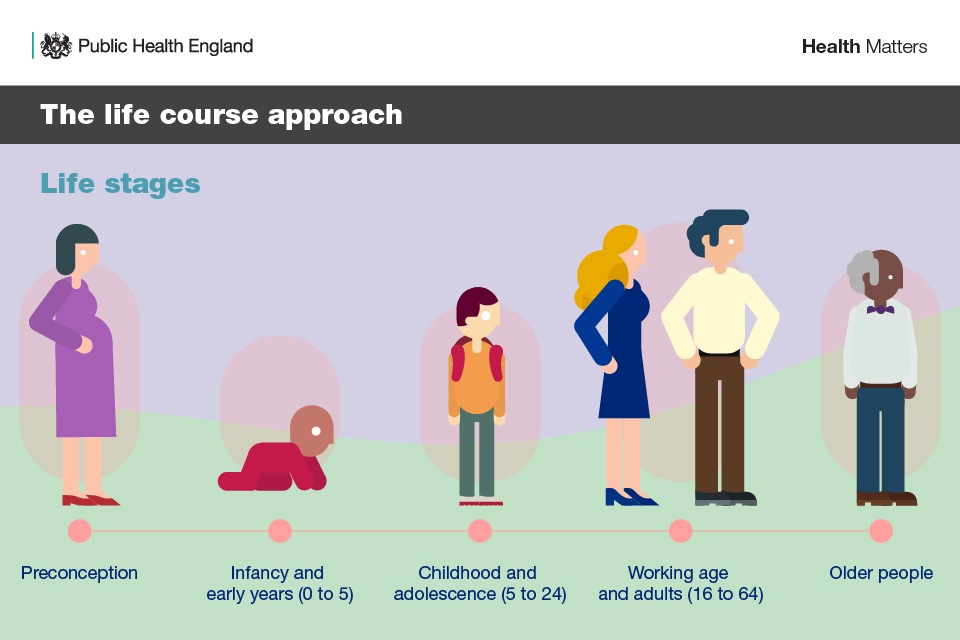
Health matters Prevention a life course approach GOV.UK

Age and the Life Course ReviseSociology

PPT The Sociological and Demographic Traditions in Life Course
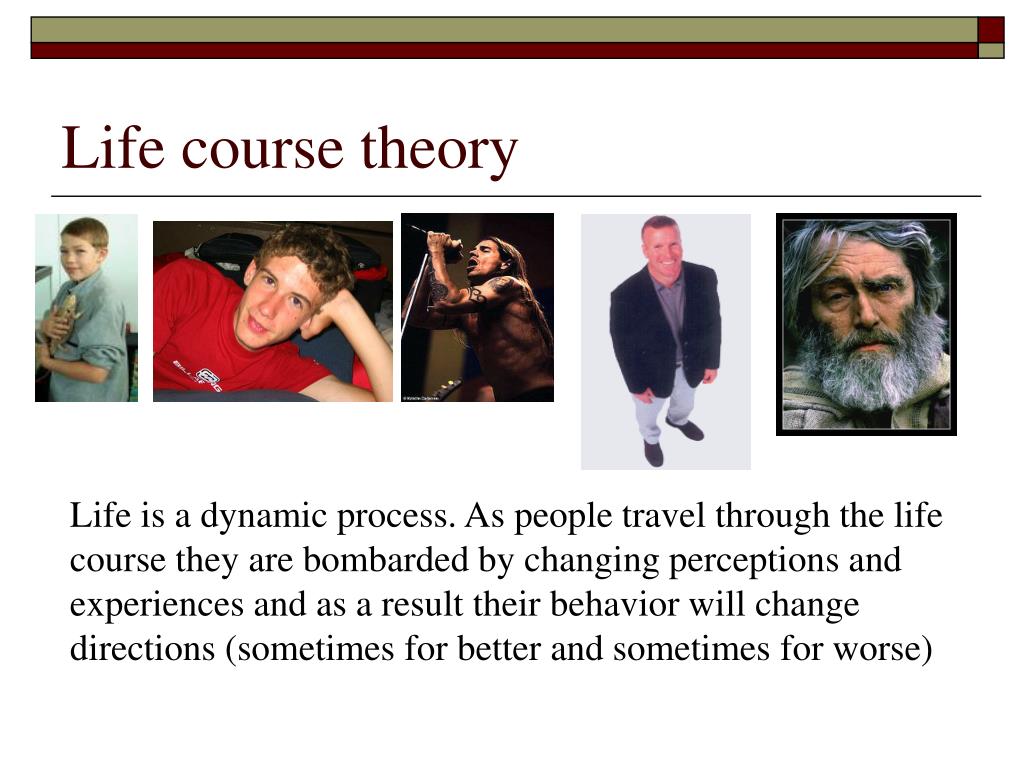
PPT Developmental Theories PowerPoint Presentation ID238761
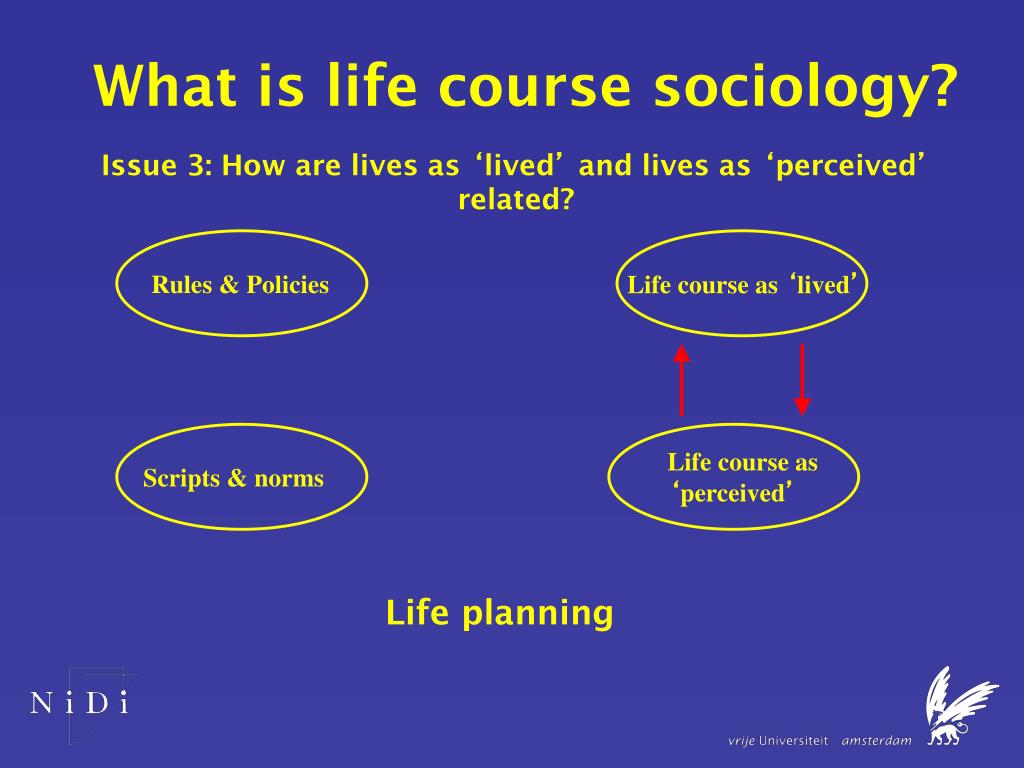
PPT The Sociological and Demographic Traditions in Life Course

Chapter 14 Developmental and LifeCourse Theories Diagram Quizlet

The Sociology of the Life Course 1 An introduction to the sociology…
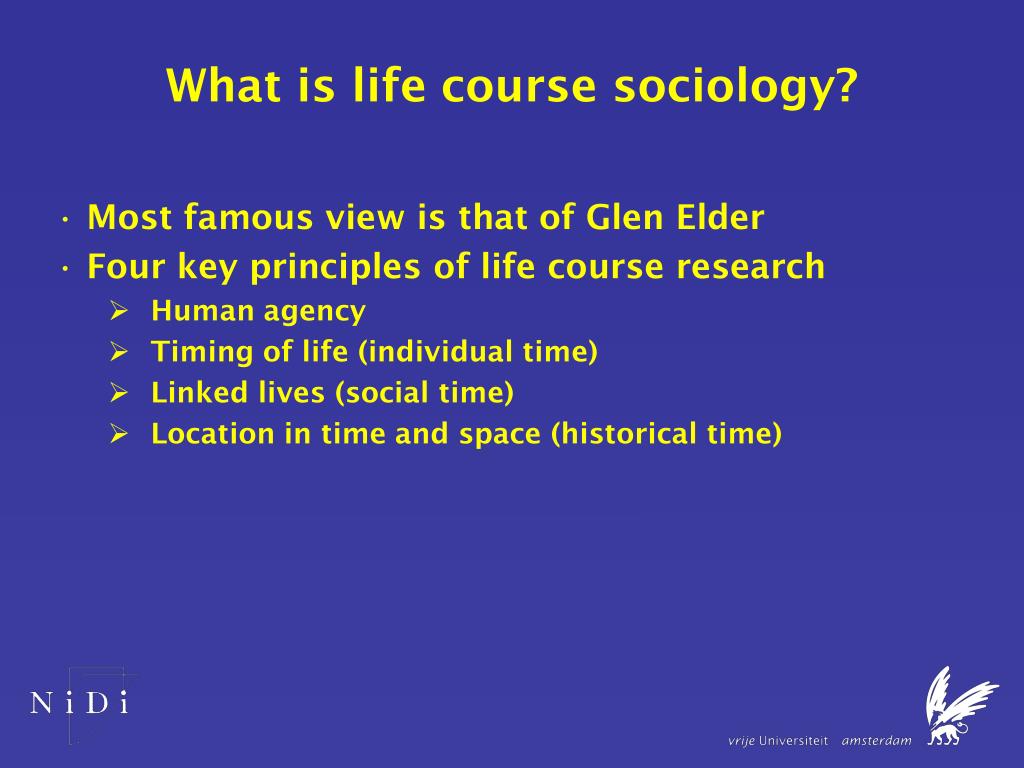
PPT The Sociological and Demographic Traditions in Life Course
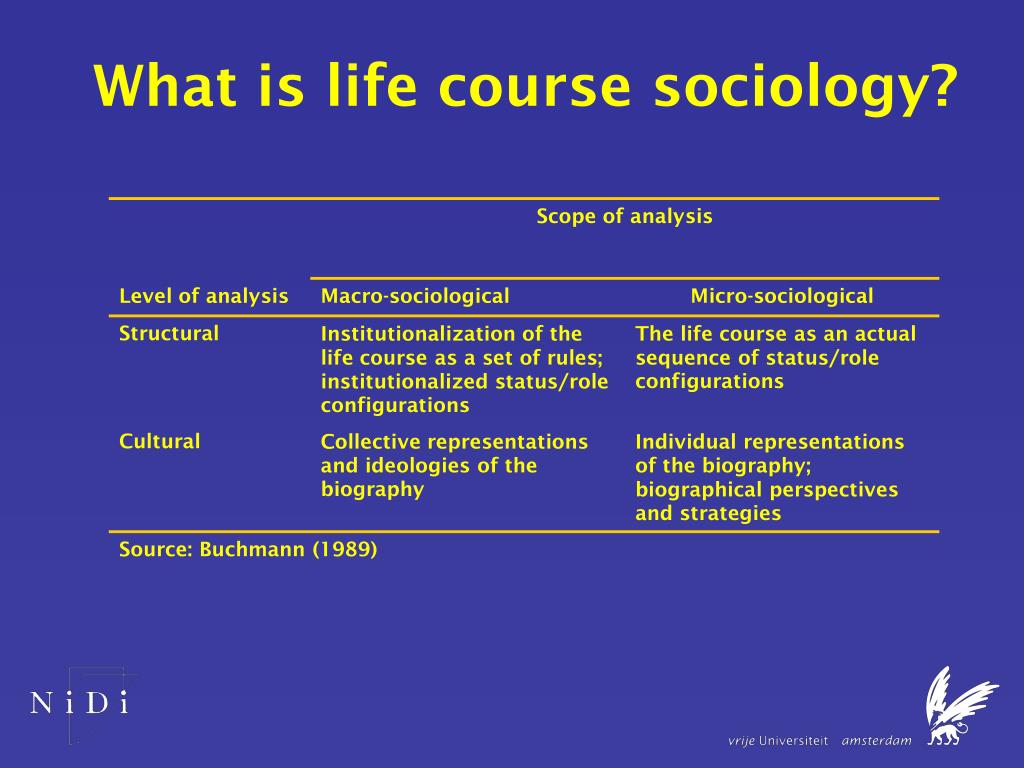
PPT The Sociological and Demographic Traditions in Life Course

PPT SOCIOLOGY Richard T. Schaefer PowerPoint Presentation ID500735
The Life Histories And Future Trajectories Of Individuals And Groups Were Largely Neglected By Early Sociological Research.
Comprehensiveness And Comparative And Historical Perspectives.
Les Principaux Concepts Qui Sont Étudiés Dans Cette Discipline Sont L'âge, Le Genre, La Race, La Classe Sociale, La Religion Et La Sexualité.
Provide An Example Of How Events During Childhood May Have A Lifelong Impact.
Related Post: