
Prediction Of Course And Probable Outcome Of A Disease
Prediction Of Course And Probable Outcome Of A Disease - A prognosis is a prediction of the probable course and outcome of a disease or the likelihood of recovery from a disease. This prediction encompasses the chances of recovery, the progression of. A prognosis is the likely outcome of a disease, injury or illness. Most importantly, we will need reliable and validated biomarkers to predict 3 specific biological features for individual patients: It determines how likely you are to recover and predicts how your condition is likely to unfold over time. Understanding disease progression can also help predict disease outcomes. To establish a nomogram prediction model for the patients with prolonged disorders of consciousness (pdoc) caused by brain injury at six months based on behavioral. Seriously ill people and their family members are entitled to the most. Prognostic studies should begin at a defined point of time in the disease course, follow up patients for an adequate period of time, and measure all relevant outcomes. Seriously ill people and their family members are entitled to the most. Patients want to know what the future holds for a broad range of conditions and the outcomes. It determines how likely you are to recover and predicts how your condition is likely to unfold over time. The complexity of human health trajectories is shaped by the intricate interplay of biological, environmental, and social factors across the individuals’ lifespans [].life course. This can be particularly useful in chronic diseases, where the course of the disease can vary widely. Ai’s capacity to predict and prevent disease has the potential to transform not just healthcare, but the very fabric of human life. (prognosis) a prediction of the probable outcome of a disease based on a individual's condition and the usual course of the disease as seen in. Prognostic research has many important purposes, including (i) describing the natural history and clinical course of health conditions, (ii) investigating variables associated with health outcomes. It examines the current and potential use of new technologies, methods and collaborative approaches in life course studies and provides updated reviews of the latest life. Seriously ill people and their family members are entitled to the most. Most importantly, we will need reliable and validated biomarkers to predict 3 specific biological features for individual patients: A prognosis is a prediction of the probable course and outcome of a disease or the likelihood of recovery from a disease. In medical terms, prognosis refers to the likely course and outcome of a disease or medical condition. Study with quizlet and memorize flashcards containing terms like prognosis, myorrhexis, mucus and more. Patients want to know what the future. In medical terms, prognosis refers to the likely course and outcome of a disease or medical condition. Prognostic research has many important purposes, including (i) describing the natural history and clinical course of health conditions, (ii) investigating variables associated with health outcomes. A prognosis is a prediction of the probable course and outcome of a disease or the likelihood of. Which of the following terms belongs with this definition, a prediction of the probable course, duration, and outcome of a disease based on a general knowledge of the pathogenesis of the. There are challenges, to be sure—technical,. Ai’s capacity to predict and prevent disease has the potential to transform not just healthcare, but the very fabric of human life. A. Definitions related to forecast of outcome: Prognosis, defined as the likely course of a disease or illness, encompasses far more than this. Prognostic research has many important purposes, including (i) describing the natural history and clinical course of health conditions, (ii) investigating variables associated with health outcomes. (prognosis) a prediction of the probable outcome of a disease based on a. Prognostic studies should begin at a defined point of time in the disease course, follow up patients for an adequate period of time, and measure all relevant outcomes. They accurately accounted for substantial differences in the patterns of death and readmission. Prognostic research has many important purposes, including (i) describing the natural history and clinical course of health conditions, (ii). (1) their disease prognosis, (2) their probability of. Prognosis, defined as the likely course of a disease or illness, encompasses far more than this. The complexity of human health trajectories is shaped by the intricate interplay of biological, environmental, and social factors across the individuals’ lifespans [].life course. To establish a nomogram prediction model for the patients with prolonged disorders. Patients want to know what the future holds for a broad range of conditions and the outcomes. There are challenges, to be sure—technical,. The complexity of human health trajectories is shaped by the intricate interplay of biological, environmental, and social factors across the individuals’ lifespans [].life course. Seriously ill people and their family members are entitled to the most. (1). Prognostic studies should begin at a defined point of time in the disease course, follow up patients for an adequate period of time, and measure all relevant outcomes. Which of the following terms belongs with this definition, a prediction of the probable course, duration, and outcome of a disease based on a general knowledge of the pathogenesis of the. Prognostic. Understanding disease progression can also help predict disease outcomes. It examines the current and potential use of new technologies, methods and collaborative approaches in life course studies and provides updated reviews of the latest life. Introduction interstitial lung disease (ild) patients may develop a progressive phenotype usually characterised by progressive pulmonary fibrosis. Seriously ill people and their family members are. This prediction encompasses the chances of recovery, the progression of. (prognosis) a prediction of the probable outcome of a disease based on a individual's condition and the usual course of the disease as seen in. Ai’s capacity to predict and prevent disease has the potential to transform not just healthcare, but the very fabric of human life. This is the. Introduction interstitial lung disease (ild) patients may develop a progressive phenotype usually characterised by progressive pulmonary fibrosis. Patients want to know what the future holds for a broad range of conditions and the outcomes. Most importantly, we will need reliable and validated biomarkers to predict 3 specific biological features for individual patients: A prediction of the probable course, duration and outcome of a disease based on a general knowledge of the pathogenesis of the disease and the presence of risk factors for the disease There are challenges, to be sure—technical,. A prognosis is the likely outcome of a disease, injury or illness. (1) their disease prognosis, (2) their probability of. (prognosis) a prediction of the probable outcome of a disease based on a individual's condition and the usual course of the disease as seen in. Prognostic studies should begin at a defined point of time in the disease course, follow up patients for an adequate period of time, and measure all relevant outcomes. A prognosis is a prediction of the probable course and outcome of a disease or the likelihood of recovery from a disease. It examines the current and potential use of new technologies, methods and collaborative approaches in life course studies and provides updated reviews of the latest life. It determines how likely you are to recover and predicts how your condition is likely to unfold over time. Ai’s capacity to predict and prevent disease has the potential to transform not just healthcare, but the very fabric of human life. Prognostic research has many important purposes, including (i) describing the natural history and clinical course of health conditions, (ii) investigating variables associated with health outcomes. This is the probability or likelihood that something will occur in the future. To establish a nomogram prediction model for the patients with prolonged disorders of consciousness (pdoc) caused by brain injury at six months based on behavioral.
What Do You Know About “Doctoring”? ppt download

Emergence of New Disease How Can Artificial Intelligence Help? Trends
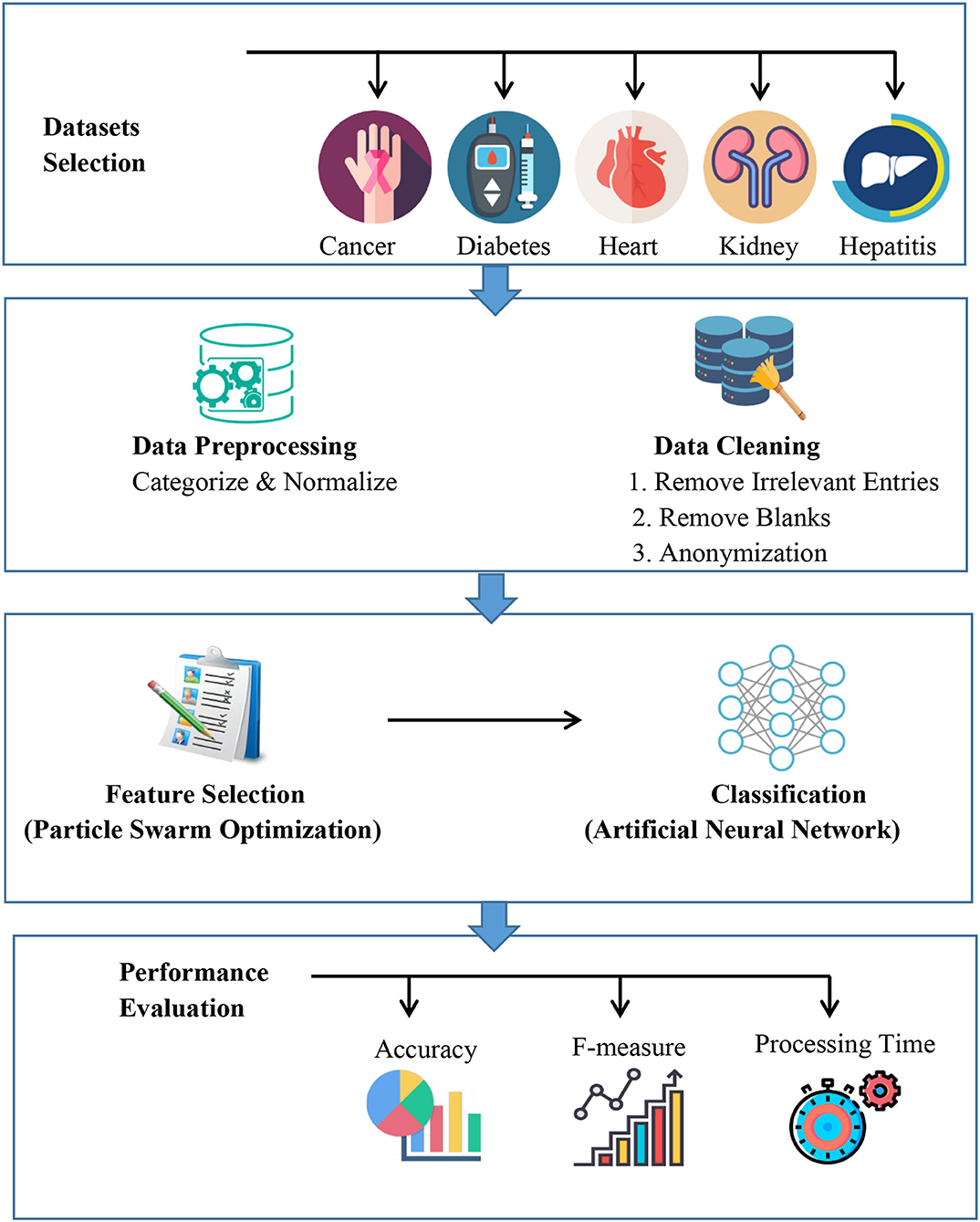
Frontiers An Augmented Artificial Intelligence Approach for Chronic
+a+forecast+of+the+probable+course+and+outcome+of+a+disease+or+situation..jpg)
Vocabulary Unit 9 Level D. ppt video online download
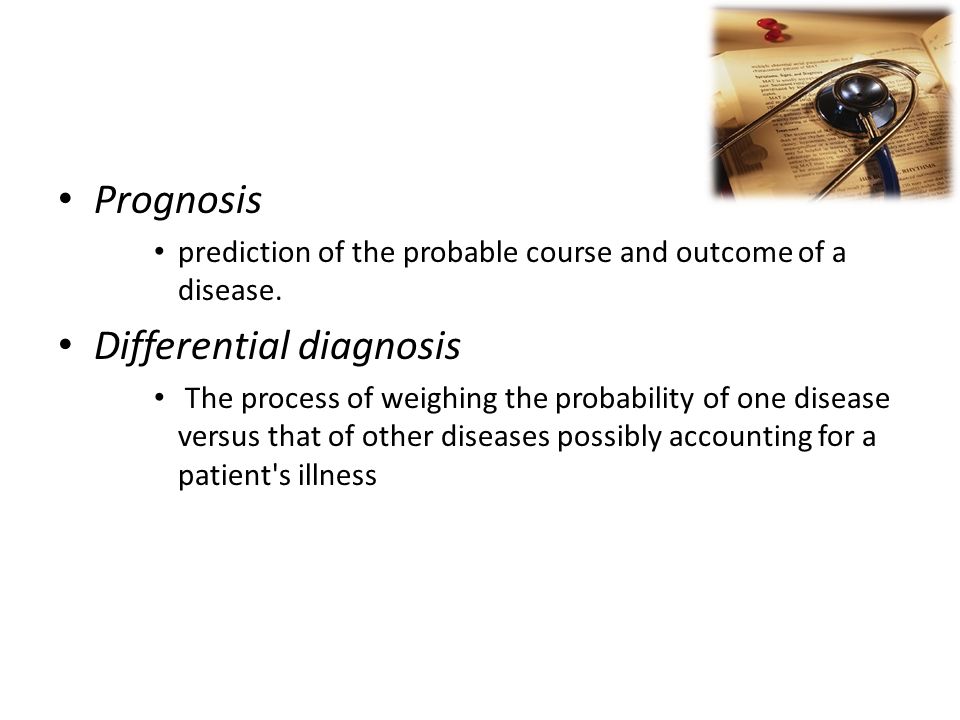
Common Medical and Surgical Terms, Prefixes and Suffixes ppt video
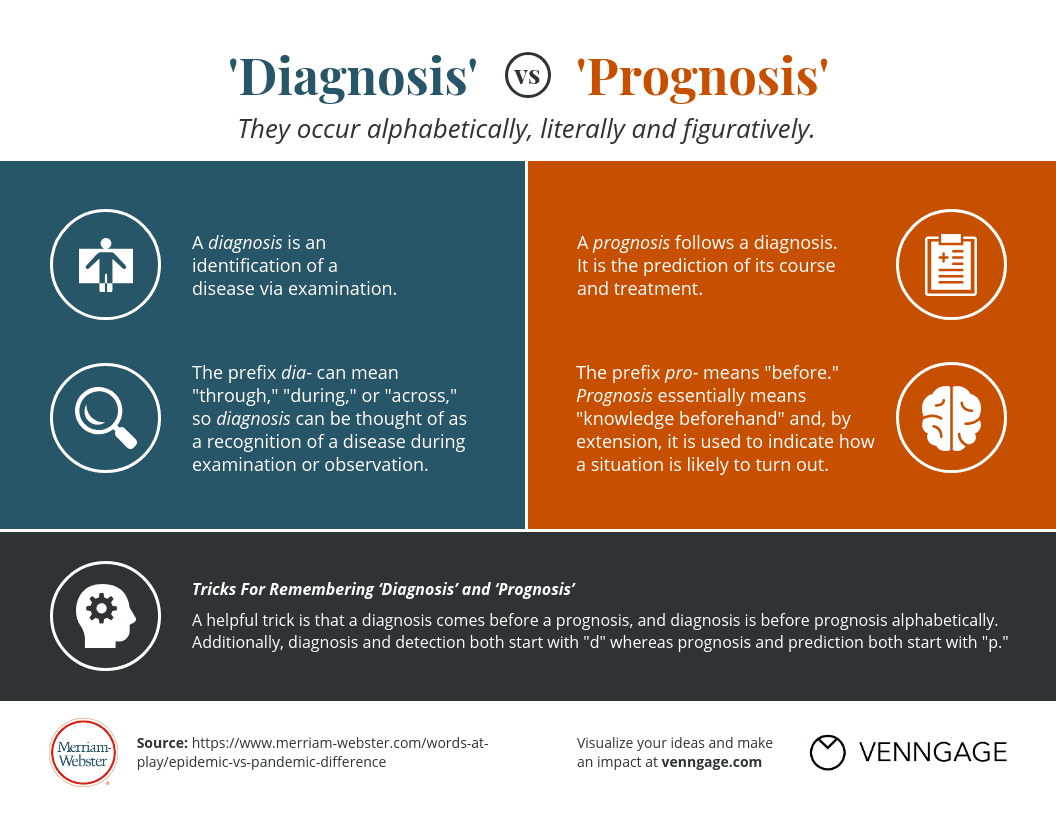
Diagnóstico vs. Pronóstico ¿Cuál es la diferencia? Arquidia Mantina
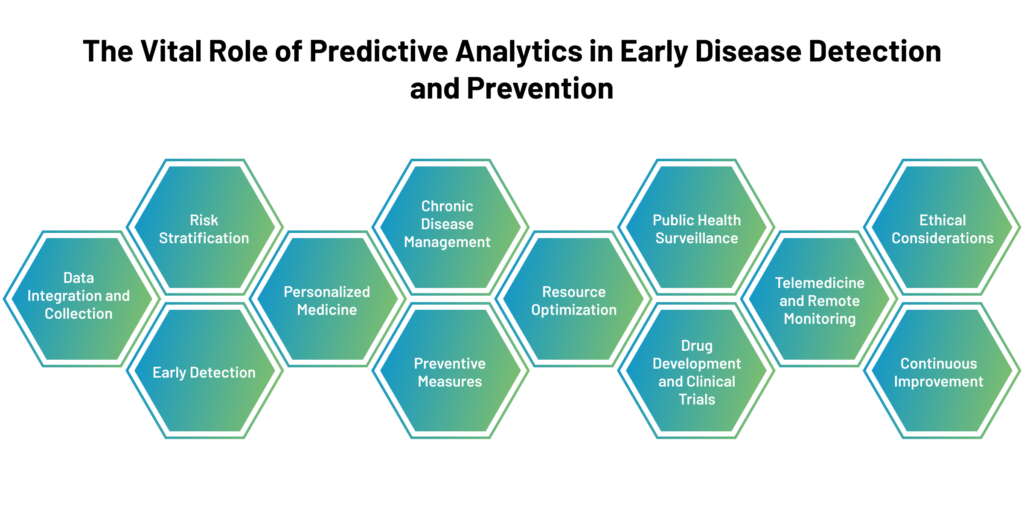
The Crucial Role of Predictive Analytics in Healthcare

Schematic representation of clinical disease courses in patients with
+a+forecast+of+the+probable+course+and+outcome+of+a+disease+or+situation..jpg)
VOCAB WEEK ppt download

Multiple Disease Prediction and Classification Machine Learning
Prognostic Factors Are Pieces Of Information Associated With A Specific Outcome Of Disease, Which Can Be Utilized In The Formulation Of The Prognosis.
They Accurately Accounted For Substantial Differences In The Patterns Of Death And Readmission.
Prognosis, Defined As The Likely Course Of A Disease Or Illness, Encompasses Far More Than This.
Seriously Ill People And Their Family Members Are Entitled To The Most.
Related Post: