
Soldier Course Bricks
Soldier Course Bricks - The purpose of the soldier course brick is to create an aesthetically pleasing, decorative façade. A soldier course is a unique technique used in masonry construction that involves laying bricks standing on end, with the narrow edge facing outwards. This type of course is. Bricks of any size and style can be. The orientation of each individual brick, and how the bricks are laid (the bond). Courses, known as the horizontal layers of bricks or stones, contribute to both a building’s structural integrity and aesthetics. Each orientation and each bond has a. Alternating bands of soldier and stretcher courses help break up the massing and create visual interest, while the choice of warm grey and shiny black brick feels sleek and contemporary. The soldier course will fall into coursing by. This vertical alignment gives the. A soldier course of stone refers to a row of bricks or stones that are set vertically, or on end, with their long narrow side facing outward. Soldier courses often are used with brick laid in other positions and patterns. In brickwork and bricklaying terminology, two things are important: Sometimes referred to as soldier courses, their main function is to provide a robust restraint. Note that the soldier brick on the chimney are a different length than the soldier brick just below the roofline at right. Building a brick soldier requires precision and attention to detail. A soldier course is a distinctive brickwork pattern where bricks are laid on their ends, with the long edge (the vertical side) facing outward. There exist numerous types such as stretcher and. What is a soldier course brick? The purpose of the soldier course brick is to create an aesthetically pleasing, decorative façade. In brickwork and bricklaying terminology, two things are important: For expertise on masonry wall construction, the students consulted jeff diqui from the international masonry institute who referred them to bricks incorporated for material selection. Building a brick soldier requires precision and attention to detail. This technique is commonly used in. Bricks of any size and style can be. Alternating bands of soldier and stretcher courses help break up the massing and create visual interest, while the choice of warm grey and shiny black brick feels sleek and contemporary. This type of arrangement is commonly. Edge courses are the blocks, bricks or other paver units used at the edge of a pavement. In construction and masonry work in the. This brick arrangement, with narrow edges facing outwards, is often used. In this comprehensive guide, we will explore the different aspects of soldier bricks in construction, from their definition and historical significance to their modern uses and. There exist numerous types such as stretcher and. This type of course is. Courses, known as the horizontal layers of bricks or stones,. What is a soldier course brick? The orientation of each individual brick, and how the bricks are laid (the bond). This type of arrangement is commonly. This type of course is. A soldier course is a unique technique used in masonry construction that involves laying bricks standing on end, with the narrow edge facing outwards. The soldier course will fall into coursing by. Each orientation and each bond has a. Note that the soldier brick on the chimney are a different length than the soldier brick just below the roofline at right. The orientation of each individual brick, and how the bricks are laid (the bond). Courses, known as the horizontal layers of bricks or. This type of course is. A soldier course of stone refers to a row of bricks or stones that are set vertically, or on end, with their long narrow side facing outward. The soldier course will fall into coursing by. Courses, known as the horizontal layers of bricks or stones, contribute to both a building’s structural integrity and aesthetics. Note. A soldier course is a distinctive brickwork pattern where bricks are laid on their ends, with the long edge (the vertical side) facing outward. Sometimes referred to as soldier courses, their main function is to provide a robust restraint. This type of course is. A soldier course is a row of oblong bricks or tiles laid vertically with aligned joints,. The soldier course will fall into coursing by. The orientation of each individual brick, and how the bricks are laid (the bond). In brickwork and bricklaying terminology, two things are important: For expertise on masonry wall construction, the students consulted jeff diqui from the international masonry institute who referred them to bricks incorporated for material selection. Building a brick soldier. In construction and masonry work in the usa, a soldier brick course refers to a row of bricks placed vertically with their longer sides exposed. The purpose of the soldier course brick is to create an aesthetically pleasing, decorative façade. This brick arrangement, with narrow edges facing outwards, is often used. This type of course is. Alternating bands of soldier. Each orientation and each bond has a. In this comprehensive guide, we will explore the different aspects of soldier bricks in construction, from their definition and historical significance to their modern uses and. Here we see a rowlock on top of a soldier. This type of arrangement is commonly. Bricks of any size and style can be. Edge courses are the blocks, bricks or other paver units used at the edge of a pavement. Courses, known as the horizontal layers of bricks or stones, contribute to both a building’s structural integrity and aesthetics. For expertise on masonry wall construction, the students consulted jeff diqui from the international masonry institute who referred them to bricks incorporated for material selection. Upgraded grade brick and varying mortar colors and offerings in an interlocking pattern with vertical window headers (brick soldiers), and limestone keystones for aesthetics located above. The soldier course will fall into coursing by. Each course is classified based upon how it’s laid, and how the exposed face is oriented relative to the face of the finished wall. Building a brick soldier requires precision and attention to detail. A soldier course brick refers to a brick that is laid vertically on its narrow edge, with its longer face standing upright. Alternating bands of soldier and stretcher courses help break up the massing and create visual interest, while the choice of warm grey and shiny black brick feels sleek and contemporary. In construction and masonry work in the usa, a soldier brick course refers to a row of bricks placed vertically with their longer sides exposed. The purpose of the soldier course brick is to create an aesthetically pleasing, decorative façade. The orientation of each individual brick, and how the bricks are laid (the bond). A soldier course is a distinctive brickwork pattern where bricks are laid on their ends, with the long edge (the vertical side) facing outward. This type of course is. There exist numerous types such as stretcher and. Bricks of any size and style can be.
Brick soldier course Vertical bricks between brick pattern… Flickr
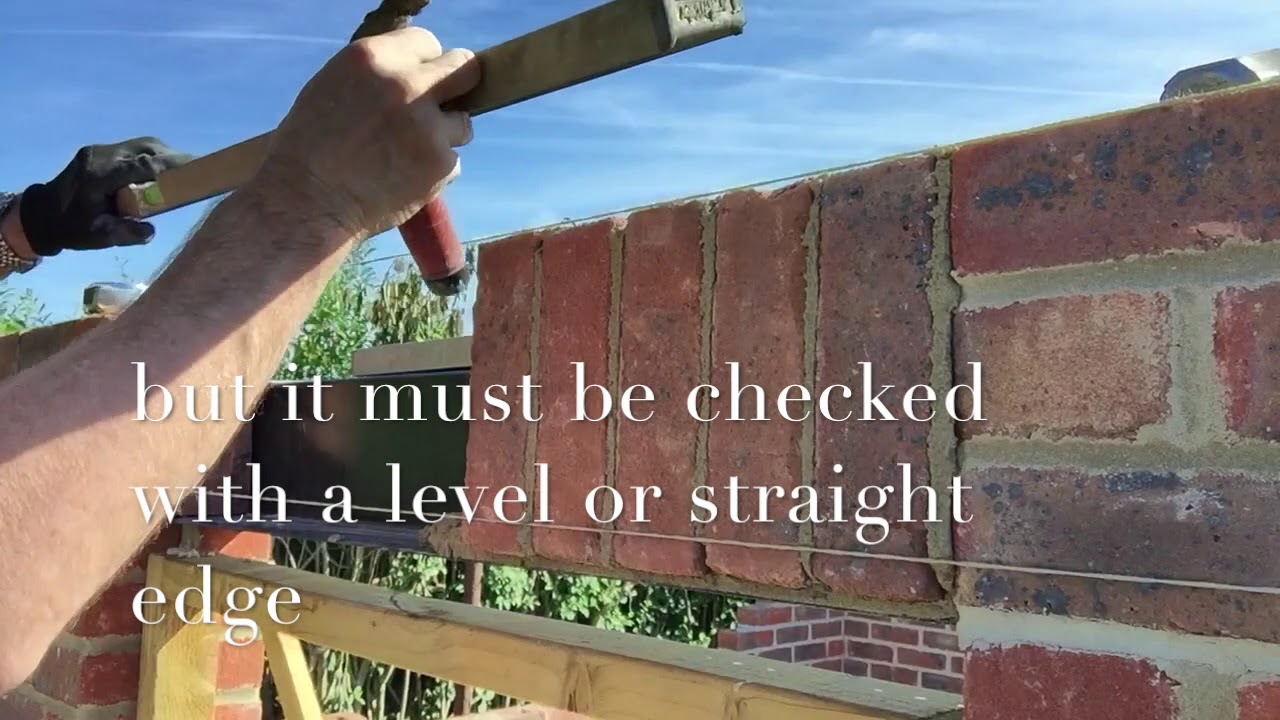
the fine art of brickwork Soldier Course 2 YouTube
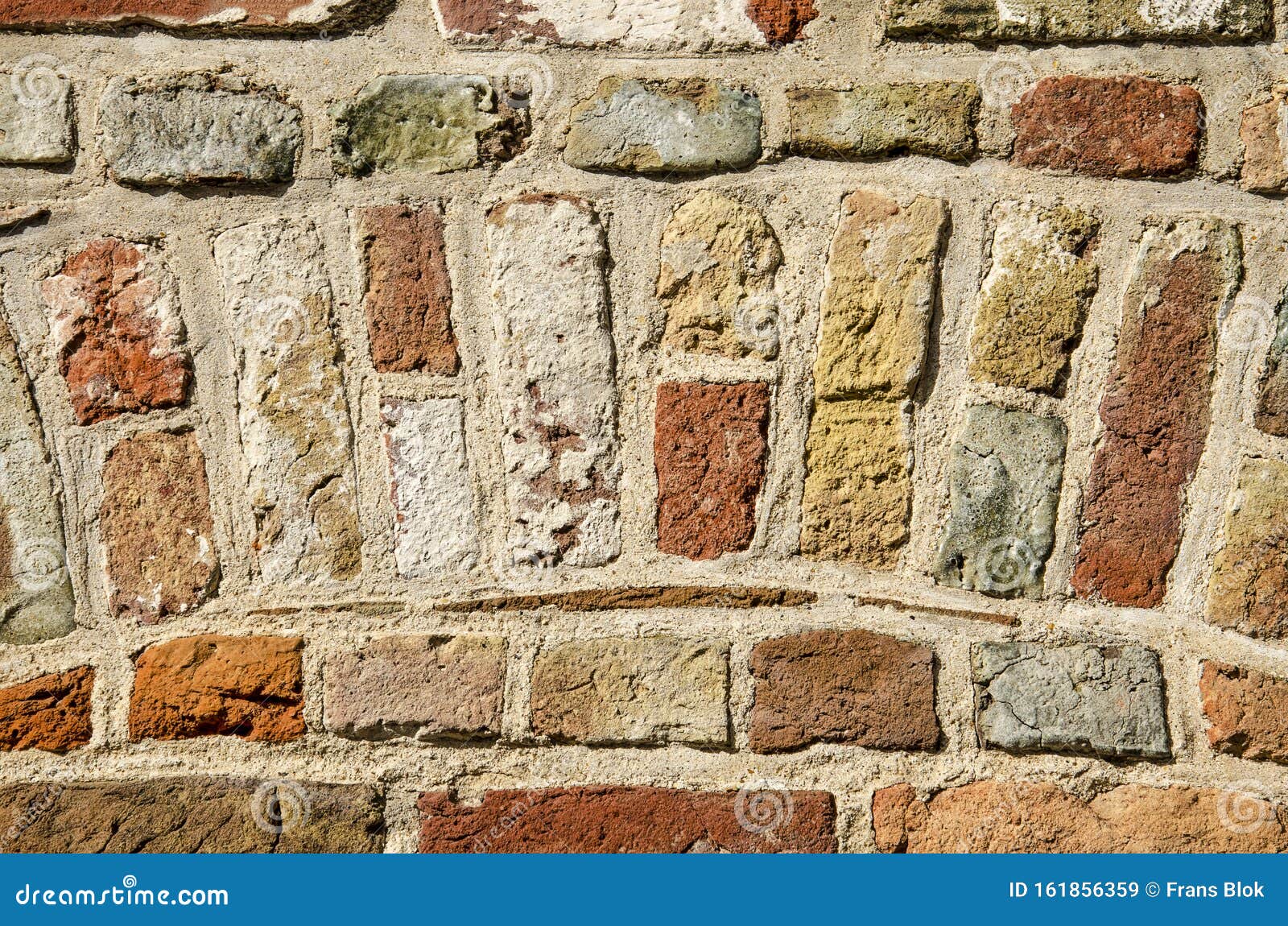
Brick Wall with Soldier Course Stock Image Image of soldier, brick

Bricklaying Soldiers Course and Installing Lintel YouTube

Soldier Course and Rowlock Course in Brickwork
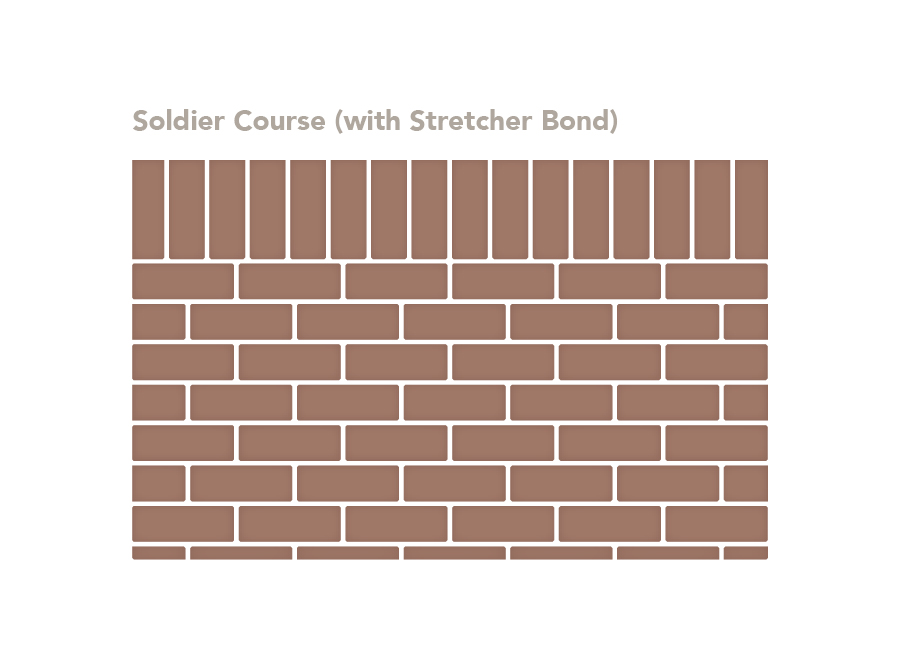
Brick Bond Patterns PGH Bricks & Pavers

Leaning soldier course Brick architecture, Brick cladding, Brick

Brick Soldier Course Brick Soldier Course is where brick's… Flickr
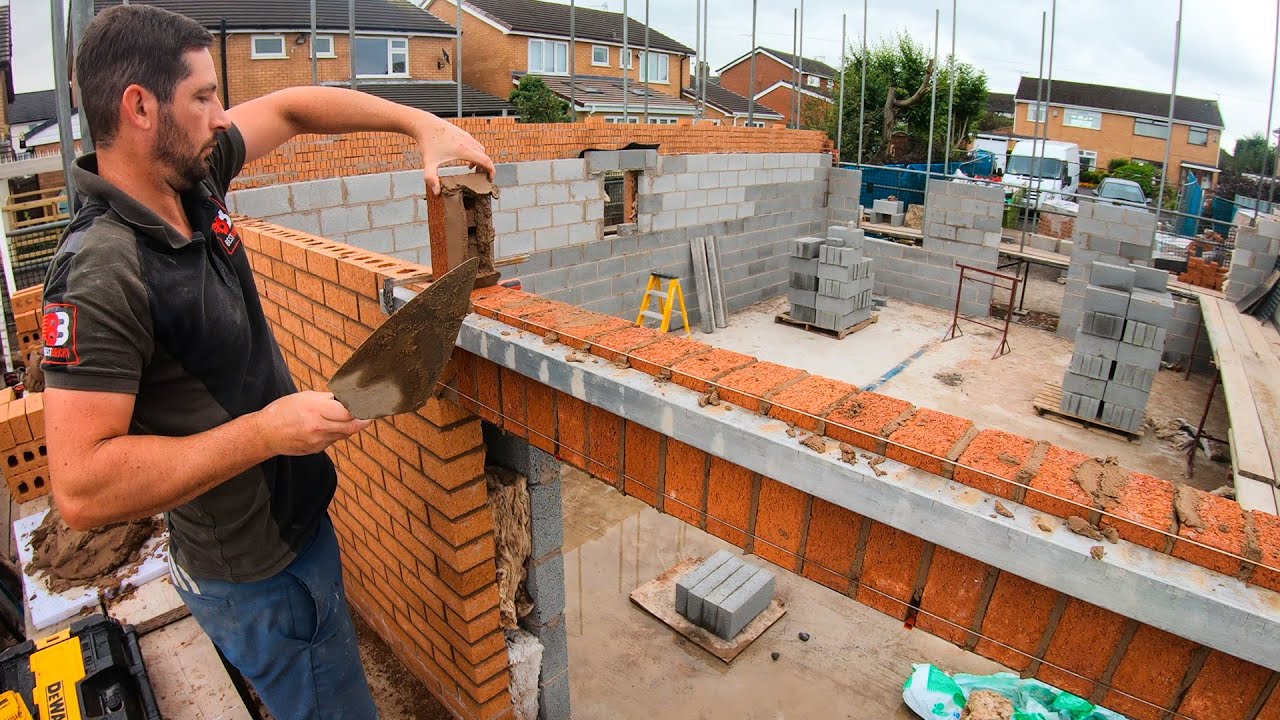
Bricklaying Soldier Course over a lintel part 6 YouTube
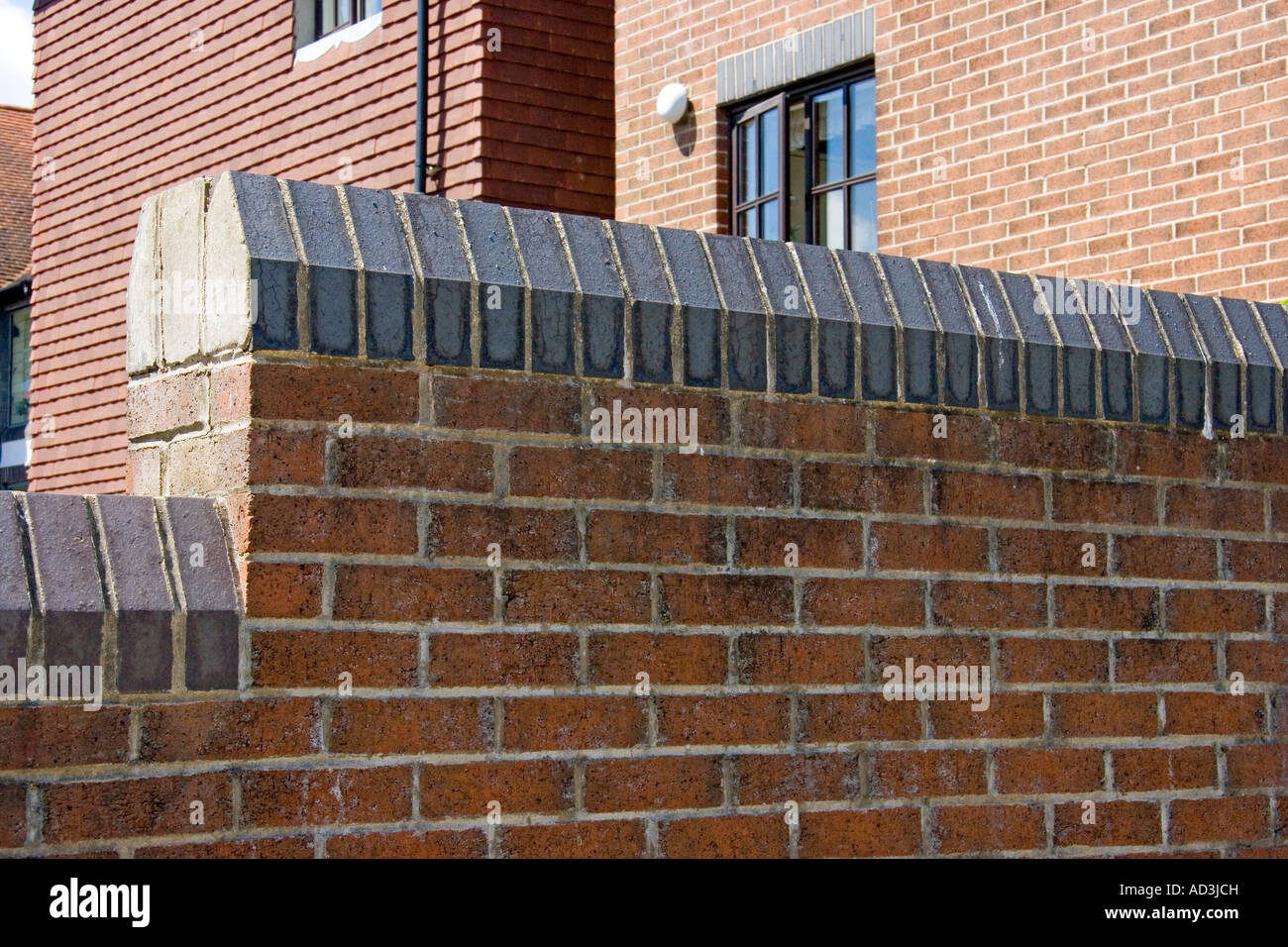
Soldier course of bricks used as decorative feature along the top of a
This Brick Arrangement, With Narrow Edges Facing Outwards, Is Often Used.
A Soldier Course Is A Row Of Bricks All Oriented In The Same Direction Which Have Been Placed On Their Sides So That The Long, Narrow Side Of The Brick Shows.
A Soldier Course Of Stone Refers To A Row Of Bricks Or Stones That Are Set Vertically, Or On End, With Their Long Narrow Side Facing Outward.
Sometimes Referred To As Soldier Courses, Their Main Function Is To Provide A Robust Restraint.
Related Post: