
True Course Vs True Heading
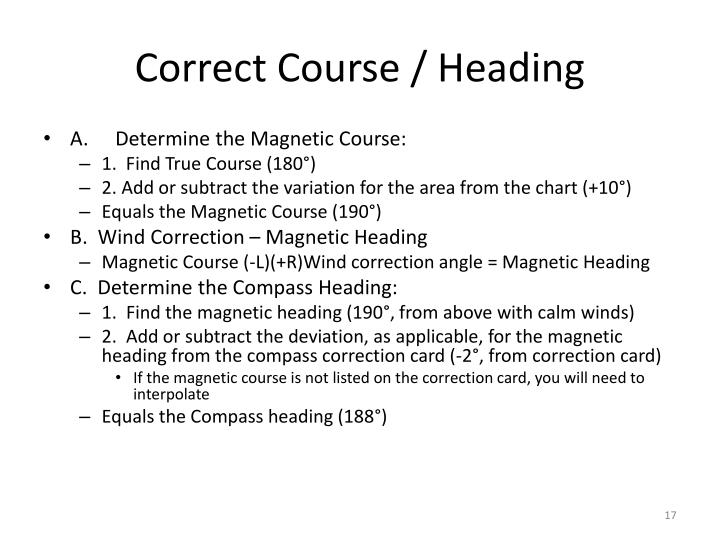
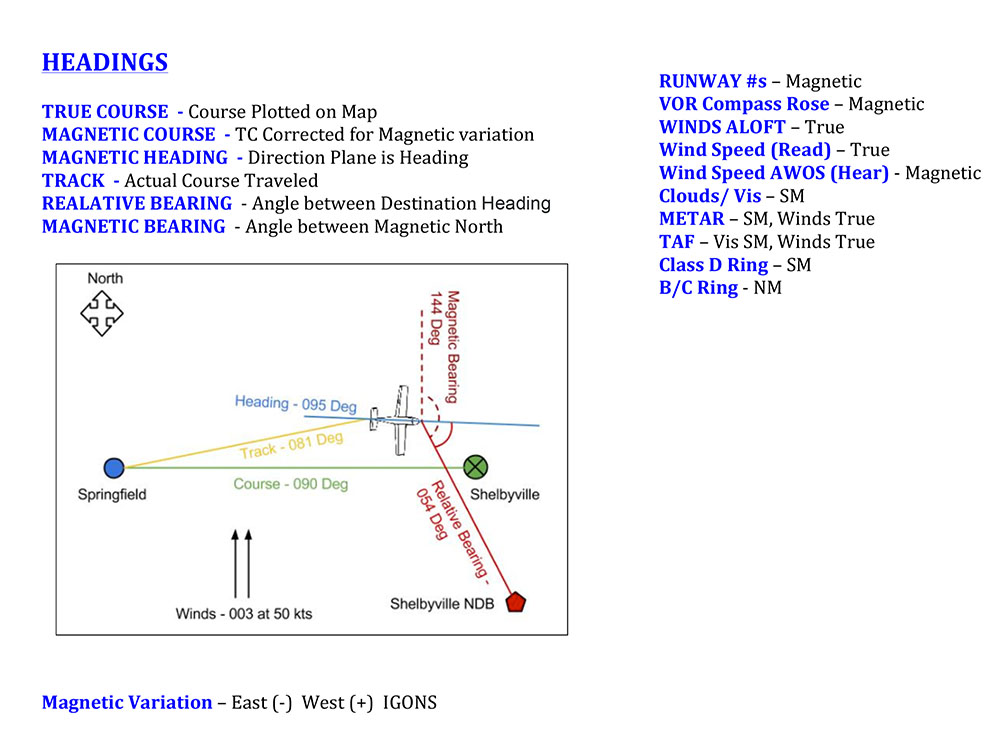
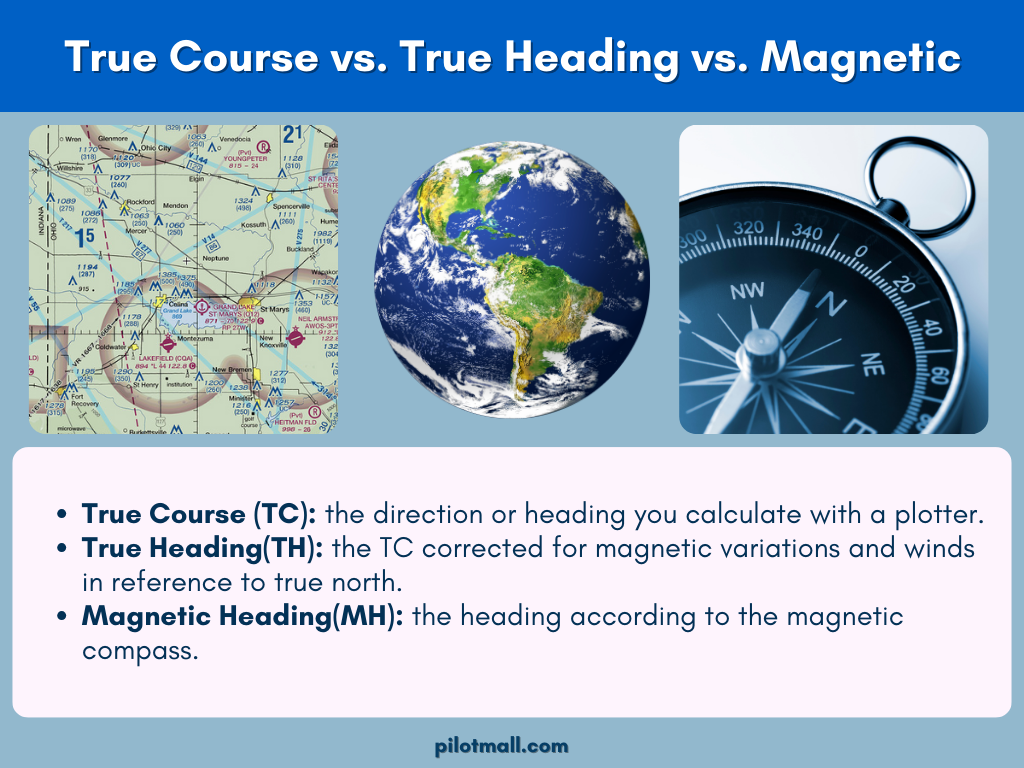
True Course Vs True Heading - True course is measured with a navigation plotter and a sectional map. Remember that because of the projection of the map, it. Remember that because of the projection of the map, it. What is true course vs. So if you're looking at a sectional to figure out a course, that's a true course, not. The true course is the aircraft path over the ground referenced to true north. In this article we discuss navigation concepts and look at the differences between course and heading. Bearing is the angle between any two. This is the course measured from your navigation plotter when you plot your flight on your map. Plus, it walks through calculating ground speed. The aircraft's course over the ground relative to true north. Here is a cheat sheet showing the difference between true course, headings, & bearings along with a list of what is described in magnetic verses true, and statute miles (sm). Remember that because of the projection of the map, it. For a magnetic heading, this is in relation to magnetic north. The reference is the true north, the closest point to the axis of rotation of the planet; For a true heading, this is in relation to true north. True heading is your direction relative to true north, or the geographic north pole. Heading refers to the actual direction in which the vessel or vehicle is. Bearing is the angle between any two. The reference is the north of the earth’s magnetic. A true course is a heading based on the direction you intend to travel. Magnetic heading is your direction relative to magnetic north, read from your magnetic compass. A true heading is the course corrected for. This is the course measured from your navigation plotter when you plot your flight on your map. The aircraft's course over the ground relative. This video introduces five questions to help determine how to go from true course to magnetic heading to compass heading. The reference is the true north, the closest point to the axis of rotation of the planet; True course is measured with a navigation plotter and a sectional map. This is the course measured from your navigation plotter when you. The true heading in the direction the aircraft nose is pointing referenced to true north. This is the course measured from your navigation plotter when you plot your flight on your map. So if you're looking at a sectional to figure out a course, that's a true course, not. The true course is the aircraft path over the ground referenced. In this article we discuss navigation concepts and look at the differences between course and heading. The aircraft's course over the ground relative to true north. Remember that because of the projection of the map, it. The true heading in the direction the aircraft nose is pointing referenced to true north. True heading is your direction relative to true north,. A true heading is the course corrected for. This is the course measured from your navigation plotter when you plot your flight on your map. Magnetic heading is your direction relative to magnetic north, read from your magnetic compass. A true course is a heading based on the direction you intend to travel. We will call course the trajectory to. Magnetic heading is your direction relative to magnetic north, read from your magnetic compass. Heading is the direction the airplane is pointed, whereas track is the actual direction of the airplane tracking across the ground. In this article we discuss navigation concepts and look at the differences between course and heading. Course is the planned direction of travel, typically the. The reference is the north of the earth’s magnetic. For a magnetic heading, this is in relation to magnetic north. True heading is your direction relative to true north, or the geographic north pole. The heading refers to the direction an aircraft is pointing. In this article we discuss navigation concepts and look at the differences between course and heading. Bearing is the angle between any two. A true heading is the course corrected for. This is the course measured from your navigation plotter when you plot your flight on your map. True heading is your direction relative to true north, or the geographic north pole. For a magnetic heading, this is in relation to magnetic north. Remember that because of the projection of the map, it. For a true heading, this is in relation to true north. Here is a cheat sheet showing the difference between true course, headings, & bearings along with a list of what is described in magnetic verses true, and statute miles (sm). What is true course vs. The true course is. Heading is the direction the airplane is pointed, whereas track is the actual direction of the airplane tracking across the ground. The heading refers to the direction an aircraft is pointing. Heading refers to the actual direction in which the vessel or vehicle is. The reference is the north of the earth’s magnetic. One thing that might work to remember. The difference between the two results from a crosswind, which may require you to fly a different true heading to achieve your true course. Bearing is the angle between any two. Magnetic heading is your direction relative to magnetic north, read from your magnetic compass. For a true heading, this is in relation to true north. Here is a cheat sheet showing the difference between true course, headings, & bearings along with a list of what is described in magnetic verses true, and statute miles (sm). So if you're looking at a sectional to figure out a course, that's a true course, not. Plus, it walks through calculating ground speed. This is the course measured from your navigation plotter when you plot your flight on your map. The true heading in the direction the aircraft nose is pointing referenced to true north. Heading refers to the actual direction in which the vessel or vehicle is. Remember that because of the projection of the map, it. For a magnetic heading, this is in relation to magnetic north. Course is the planned direction of travel, typically the desired path over the ground or water. We will call course the trajectory to follow, it is the planned or desired. One thing that might work to remember it is that lines on a map (at least aviation maps) are always true. Heading is the direction the airplane is pointed, whereas track is the actual direction of the airplane tracking across the ground.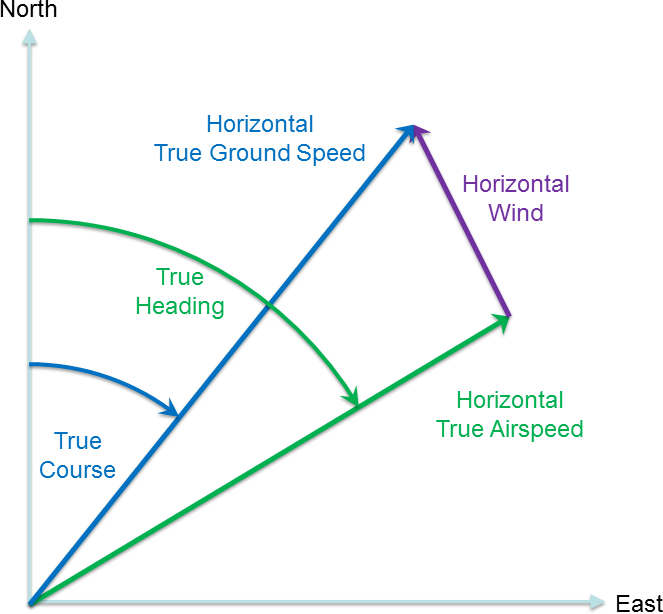
Aircraft Maneuvers STK Components for 2021 r2
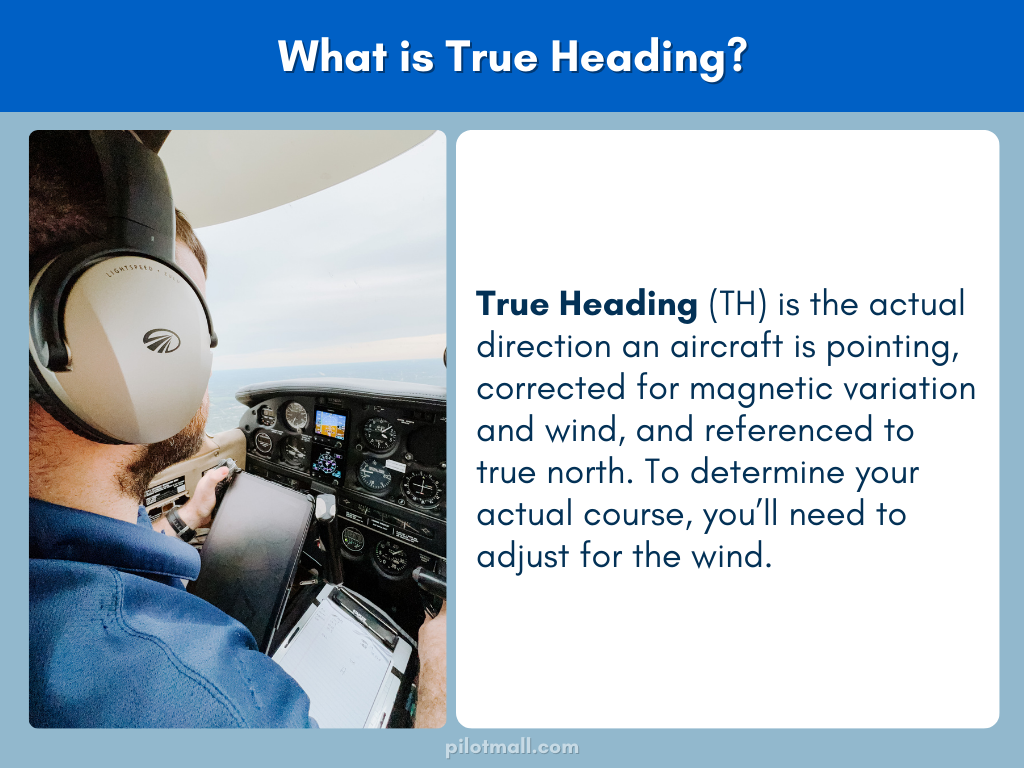
True Course vs True Heading vs (How Are They Different?)
+Track.jpg)
Navigation Instruments Overview & Objectives ppt download
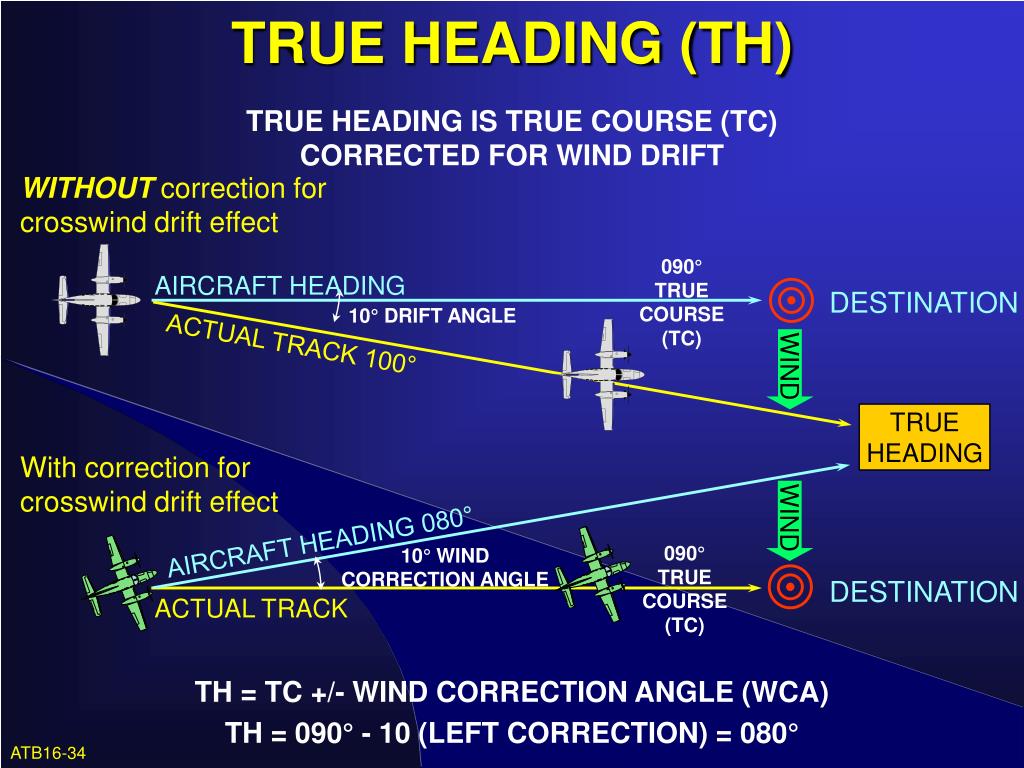
PPT Let’s see… Shall I navigate today by... PowerPoint Presentation ID4993942
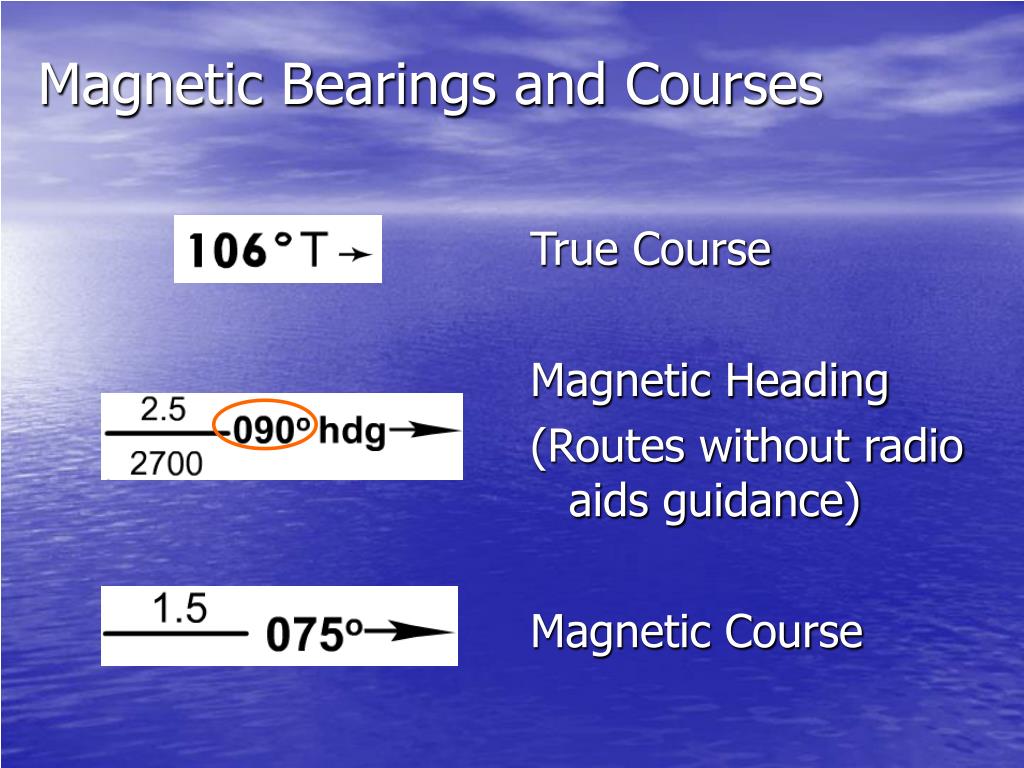
PPT Chapter 6 Approach Charts PowerPoint Presentation, free download ID1133766
PPT COMPASS TURNS PowerPoint Presentation ID1618660

Enriching an NMEA Stream
Heading, Course, Bearing, True Blonds In Aviation

True and Course Courses and Headings in Navigation (Part 1/2) YouTube
True Course vs True Heading vs (How Are They Different?)
The Reference Is The True North, The Closest Point To The Axis Of Rotation Of The Planet;
True Heading Is Your Direction Relative To True North, Or The Geographic North Pole.
The Heading Refers To The Direction An Aircraft Is Pointing.
The True Course Is The Aircraft Path Over The Ground Referenced To True North.
Related Post: