
Tufts Economics Courses
Tufts Economics Courses - View course offerings in the department of economics, for undergraduate and gradate programs. Topics considered include loss aversion, risks, time preferences, learning, and social preferences. Learn more about bachelor of arts in economics 48 months undergraduate program by tufts university including the program fees, scholarships, scores and further course information Econometrics (ec 15 or 107). The class, selected from a pool of 33,400 applicants, represents a “dynamic cohort of academically accomplished scholars who have pursued rigorous courses of study in high school, performed exceptionally well in their classes, and who are coming to tufts eager to dive into all that the university offers,” said jt duck, dean of admissions. 1) how markets determine composition and pricing of outputs and inputs, and. Learn more about the economics major at tufts university and see if it is the right school for you. A ba in economics and a ba/bs in quantitative economics. 1) how markets determine composition and pricing of outputs and inputs, and. 2) the behavior of individual consumers and businesses in response to market forces. 1) the determinants of economic growth, and. Visit the undergraduate and graduate pages for course requirements for specific programs. As a student in the ms in economics program, you will develop critical thinking skills and quantitative tools to solve problems associated with important economic, political, and social issues. 2) the behavior of individual consumers and businesses in response to market forces. You'll cover a wide range of topics including microeconomics, macroeconomics, econometrics, and various electives that cover specific economic subjects or focus on regions. 1) how markets determine composition and pricing of outputs and inputs, and. Analysis of economic decision making which incorporates the effects of social, emotional, and cognitive issues. Ec 11 and statistics (ec 13, 14 or 201, or es 56, or math 166). Both majors carry stem certification and include courses in mathematics, principles of economics, intermediate microeconomic theory, intermediate macroeconomic theory, and. This variety gives students the chance to explore their interests and specialize. This is a decrease of 8% over the previous year when 215 degrees were handed out. Both majors carry stem certification and include courses in mathematics, principles of economics, intermediate microeconomic theory, intermediate macroeconomic theory, and. The list below includes descriptions of all undergraduate and graduate courses offered by the department of economics. Topics covered in macroeconomics include: Topics covered. The starting point for the study of economics at tufts is principles of economics (economics 5) or principles of economics with environmental applications (economics 8). Learn more about bachelor of arts in economics 48 months undergraduate program by tufts university including the program fees, scholarships, scores and further course information Topics covered in macroeconomics include: 1) the determinants of economic. The starting point for the study of economics at tufts is principles of economics (economics 5) or principles of economics with environmental applications (economics 8). Discover the best homework help resource for economics at tufts university. As a student in the ms in economics program, you will develop critical thinking skills and quantitative tools to solve problems associated with important. You'll cover a wide range of topics including microeconomics, macroeconomics, econometrics, and various electives that cover specific economic subjects or focus on regions. Visit the undergraduate and graduate pages for course requirements for specific programs. View course offerings in the department of economics, for undergraduate and gradate programs. 1) the determinants of economic growth, and. The list below includes descriptions. View course offerings in the department of economics, for undergraduate and gradate programs. You'll cover a wide range of topics including microeconomics, macroeconomics, econometrics, and various electives that cover specific economic subjects or focus on regions. A ba in economics and a ba/bs in quantitative economics. Discover the best homework help resource for economics at tufts university. The department offers. Topics considered include loss aversion, risks, time preferences, learning, and social preferences. Learn more about the economics major at tufts university and see if it is the right school for you. The department offers two majors in economics: Topics covered in macroeconomics include: The starting point for the study of economics at tufts is principles of economics (economics 5) or. Discover the best homework help resource for economics at tufts university. Topics include land use, transportation, urbanization, housing, inequality and discrimination, and public finance and services. You'll cover a wide range of topics including microeconomics, macroeconomics, econometrics, and various electives that cover specific economic subjects or focus on regions. Analysis of economic decision making which incorporates the effects of social,. This is a decrease of 8% over the previous year when 215 degrees were handed out. A familiarity with taking derivatives and using calculus is expected. Both majors carry stem certification and include courses in mathematics, principles of economics, intermediate microeconomic theory, intermediate macroeconomic theory, and. The list below includes descriptions of all undergraduate and graduate courses offered by the. You'll cover a wide range of topics including microeconomics, macroeconomics, econometrics, and various electives that cover specific economic subjects or focus on regions. Here are my top six favorite classes, in no particular order: Find economics study guides, notes, and practice tests for tufts. Both majors carry stem certification and include courses in mathematics, principles of economics, intermediate microeconomic theory,. This variety gives students the chance to explore their interests and specialize. Analysis of economic decision making which incorporates the effects of social, emotional, and cognitive issues. This is a decrease of 8% over the previous year when 215 degrees were handed out. 1) how markets determine composition and pricing of outputs and inputs, and. As a student in the. Learn more about the economics major at tufts university and see if it is the right school for you. 2) the behavior of individual consumers and businesses in response to market forces. 2) the behavior of individual consumers and businesses in response to market forces. Topics covered in macroeconomics include: A familiarity with taking derivatives and using calculus is expected. Discover the best homework help resource for economics at tufts university. 1) the determinants of economic growth, and. Topics covered in microeconomics include: Ec 11 and statistics (ec 13, 14 or 201, or es 56, or math 166). A ba in economics and a ba/bs in quantitative economics. The economics major at tufts is known for its challenging and engaging coursework. Econometrics (ec 15 or 107). Topics include land use, transportation, urbanization, housing, inequality and discrimination, and public finance and services. View course offerings in the department of economics, for undergraduate and gradate programs. Topics covered in macroeconomics include: Both majors carry stem certification and include courses in mathematics, principles of economics, intermediate microeconomic theory, intermediate macroeconomic theory, and.
Home Department of Economics

FTE Tufts Foundation For Teaching Economics

Academics Department of Economics

News & Events Department of Economics

Economics 206 Tufts University

Campus Guide Tufts University Spokin

Home Department of Economics

Putting a Puzzle Together How classrooms are scheduled for AS&E courses TeachingTufts

Apply now for the Health Economics and Research Online Certificate Course at Tufts
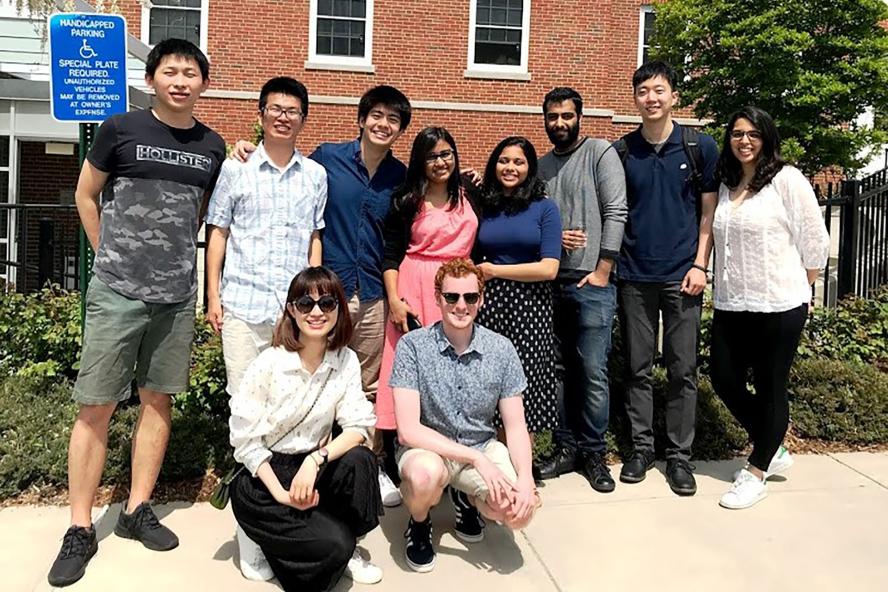
Photo Galleries Department of Economics
This Is A Decrease Of 8% Over The Previous Year When 215 Degrees Were Handed Out.
The Department Offers Two Majors In Economics:
This Variety Gives Students The Chance To Explore Their Interests And Specialize.
Topics Covered In Microeconomics Include:
Related Post: