
What Are Audit Courses
What Are Audit Courses - These include the basics of auditing principles, risk assessment, and internal controls. Auditing a class means taking a college course without receiving credit for it. An audited class will typically appear on your transcript as au or audit, but it won't affect your gpa. It is also possible to audit. Auditing a course is opting to take a class without earning credit for it or receiving a grade. Auditing a course in college typically means that you're attending a course without receiving any credit or a grade for it. Auditing a course means taking a course offered by an institution for no credit or grade. Because the auditing process is formal, you will learn. Each institution has different rules for auditing classes, but most allow it. The main purpose of auditing a course is to gain knowledge and expand. The primary purpose is to gain knowledge and experience in the subject without worrying. These include the basics of auditing principles, risk assessment, and internal controls. It is also possible to audit. To “audit” a course means that the student does not receive a grade nor credits and generally does not participate in exams or homework. Auditing a course means taking a course offered by an institution for no credit or grade. Students attend lectures and have access to course. In the meticulous world of auditing, certifications stand as a testament to a professional's commitment to excellence and adherence to industry standards. Auditing a course simply means attending the course as an observer, without being required to participate in assignments, exams, or grading typically associated with a. In the diverse landscape of college education, there's a unique and often overlooked path: Auditing a college course means attending the class without receiving a grade or academic credit for it. Auditing is the systematic examination and evaluation of an organisation's financial records and operations to ensure accuracy, compliance with applicable laws and regulations, and. The concept of auditing, or attending a college course. The primary purpose is to gain knowledge and experience in the subject without worrying. Those who audit courses do so for the purpose of. Auditing a course. The concept of auditing, or attending a college course. You might audit a course (instead of taking it for credit) because of time, financial. When you audit a class, you're allowed to attend lectures and often have access to the. Auditing a college course means attending the class without receiving a grade or academic credit for it. Each institution has. In the diverse landscape of college education, there's a unique and often overlooked path: These include the basics of auditing principles, risk assessment, and internal controls. Most auditing programs exist as specializations, concentrations and sequences within an accounting major, though there are a few schools that offer specialized bachelor’s degree. To “audit” a course means that the student does not. In the meticulous world of auditing, certifications stand as a testament to a professional's commitment to excellence and adherence to industry standards. These include the basics of auditing principles, risk assessment, and internal controls. Auditing a course simply means attending the course as an observer, without being required to participate in assignments, exams, or grading typically associated with a. Auditing. Auditing a college course means attending the class without receiving a grade or academic credit for it. Those who audit courses do so for the purpose of. Auditing a course simply means attending the course as an observer, without being required to participate in assignments, exams, or grading typically associated with a. Our range of iso 9001 courses are carefully. It is usually done for academic exploration and self. Audit courses cover a variety of topics essential for understanding and performing effective audits. The main purpose of auditing a course is to gain knowledge and expand. When you audit a class, you're allowed to attend lectures and often have access to the. Auditing a class means taking a college course. It is usually done for academic exploration and self. Those who audit courses do so for the purpose of. Auditing a course is opting to take a class without earning credit for it or receiving a grade. The concept of auditing, or attending a college course. In the meticulous world of auditing, certifications stand as a testament to a professional's. Students attend lectures and have access to course. The primary purpose is to gain knowledge and experience in the subject without worrying. An audited course is a class that a student attends and participates in without receiving academic credits or grades. You might audit a course (instead of taking it for credit) because of time, financial. In the meticulous world. In the meticulous world of auditing, certifications stand as a testament to a professional's commitment to excellence and adherence to industry standards. Most auditing programs exist as specializations, concentrations and sequences within an accounting major, though there are a few schools that offer specialized bachelor’s degree. These include the basics of auditing principles, risk assessment, and internal controls. Auditing a. The concept of auditing, or attending a college course. When you audit a class, you're allowed to attend lectures and often have access to the. It is usually done for academic exploration and self. Auditing a course simply means attending a class without receiving credit for the class. An audited class will typically appear on your transcript as au or. An audited course is a class that a student attends and participates in without receiving academic credits or grades. Auditing a class means enrolling in a college course without intending to earn a grade or credit (no homework or exams). Auditing is the systematic examination and evaluation of an organisation's financial records and operations to ensure accuracy, compliance with applicable laws and regulations, and. The main purpose of auditing a course is to gain knowledge and expand. These include the basics of auditing principles, risk assessment, and internal controls. Auditing a course simply means attending the course as an observer, without being required to participate in assignments, exams, or grading typically associated with a. Auditing a course means taking a course offered by an institution for no credit or grade. Our range of iso 9001 courses are carefully created to give you the practical knowledge and tools to implement, maintain and audit effective quality management systems (qms). Auditing a course is opting to take a class without earning credit for it or receiving a grade. Most auditing programs exist as specializations, concentrations and sequences within an accounting major, though there are a few schools that offer specialized bachelor’s degree. The concept of auditing, or attending a college course. Auditing a class means taking a college course without receiving credit for it. An audited class will typically appear on your transcript as au or audit, but it won't affect your gpa. Students attend lectures and have access to course. It is also possible to audit. Each institution has different rules for auditing classes, but most allow it.
Types of Audit Training Courses Find Your Program
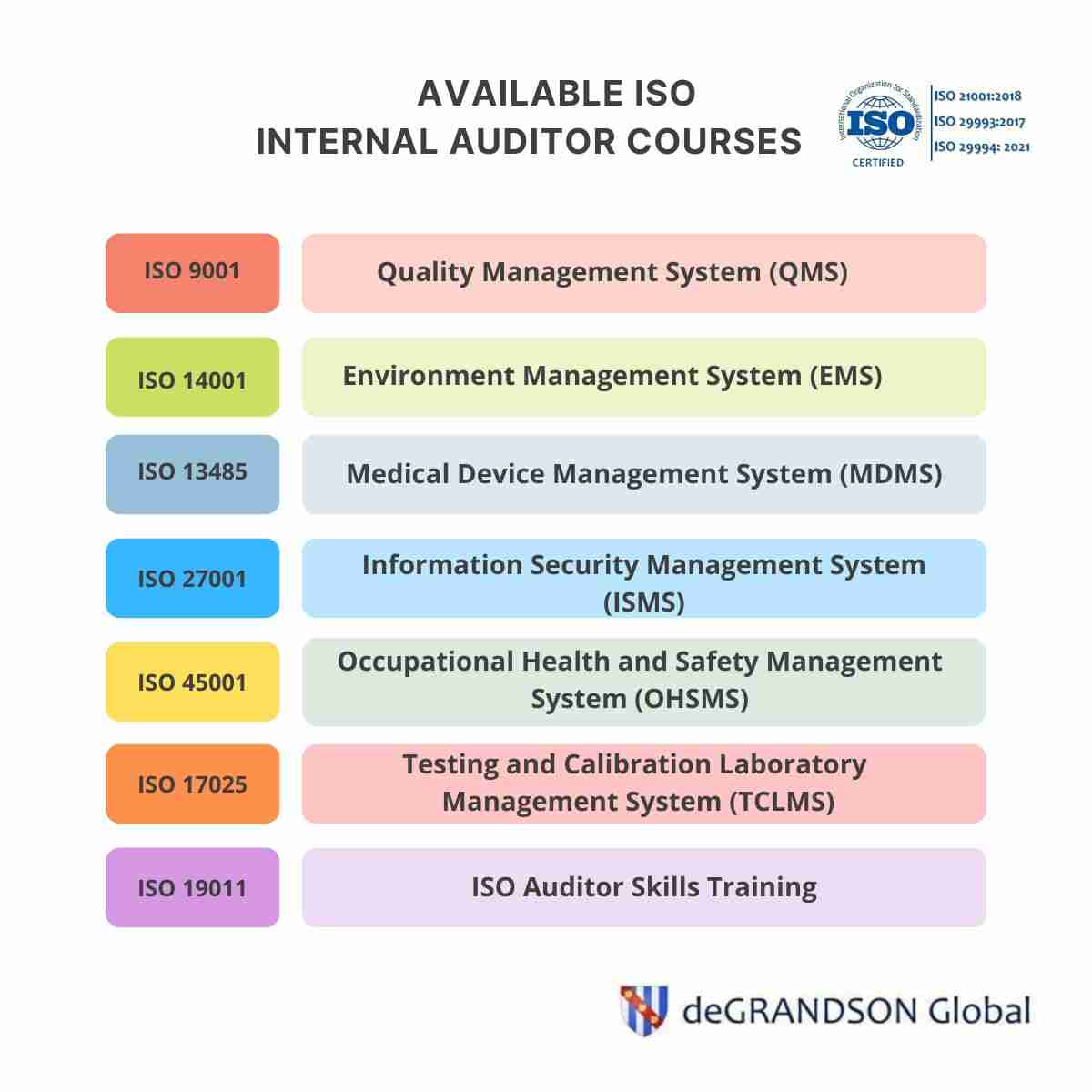
ISO 19011 Internal Auditor Skills Training ISO 21001 Certified

FDQ Auditing Skills Course Verner Wheelock

5 Best Internal Auditing Courses, Training and Certification

5 Best Internal Auditing Courses, Training and Certification
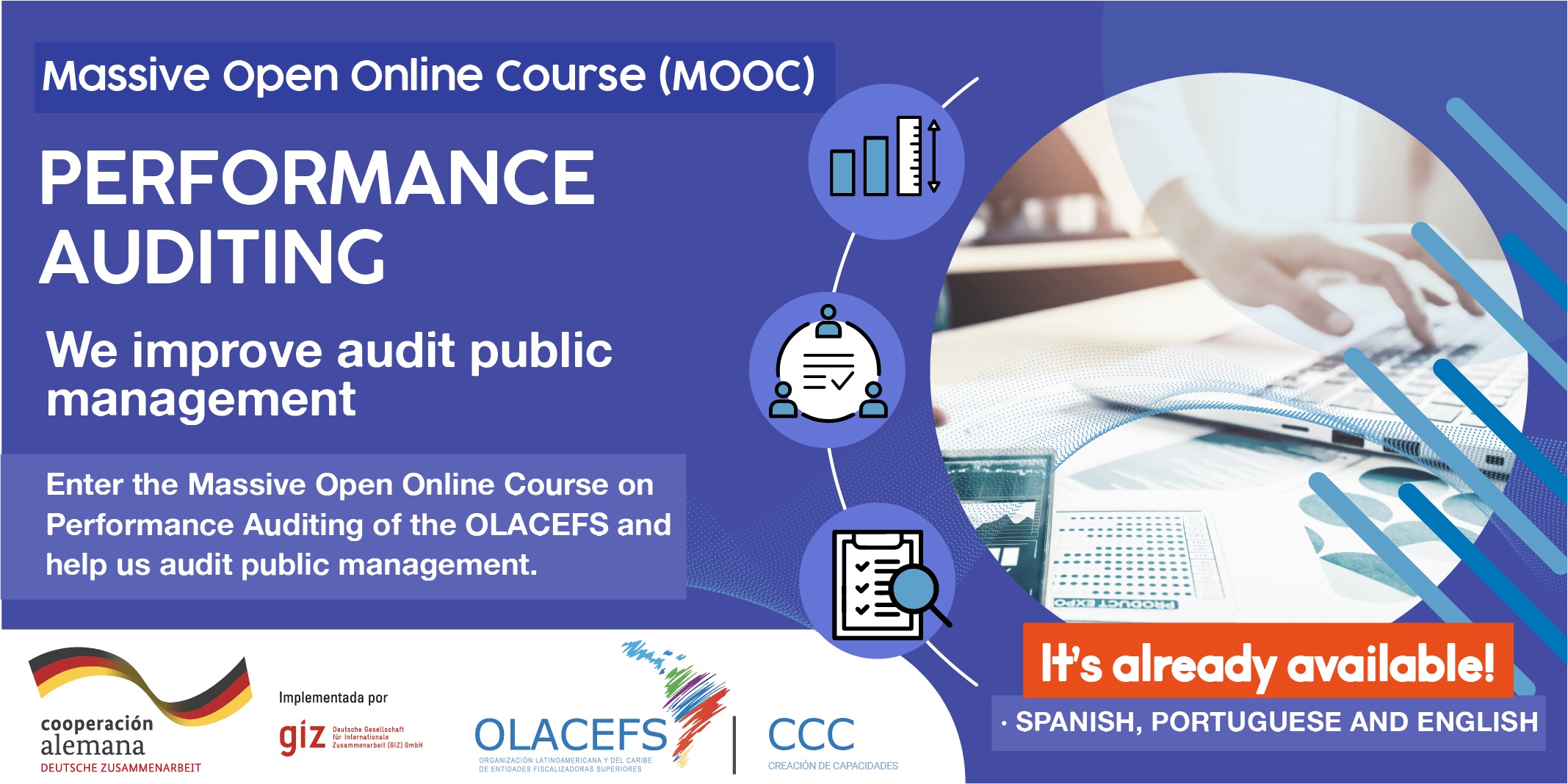
OLACEFS Offers Free Online Course on Performance Audits INTOSAI Journal

CPE Programs and Certificate Course on Concurrent Audit of Banks & 1st

What is a training audit? Why is your training audit important?

7 Best Internal Audits Training Courses and Classes Take This Course

Get Certified with Audit Training Courses FC Training
Auditing A Course Simply Means Attending A Class Without Receiving Credit For The Class.
In The Diverse Landscape Of College Education, There's A Unique And Often Overlooked Path:
It Is Usually Done For Academic Exploration And Self.
You Might Audit A Course (Instead Of Taking It For Credit) Because Of Time, Financial.
Related Post: